Eating for a Healthy Heart
A heart-healthy diet centers on vegetables, fruit, whole grains, beans, nuts and fish, with less sodium, saturated fat and added sugar. Here's how to build it.
On this page
Eating for a healthy heart is about your overall pattern more than any single food. Build meals around vegetables, fruits, whole grains, beans, nuts, seeds and fish; choose unsaturated oils over butter and other solid fats; and cut back on sodium, saturated fat, added sugar and highly processed meats. Well-studied plans such as DASH put those principles into everyday portions.
Think pattern, not superfoods
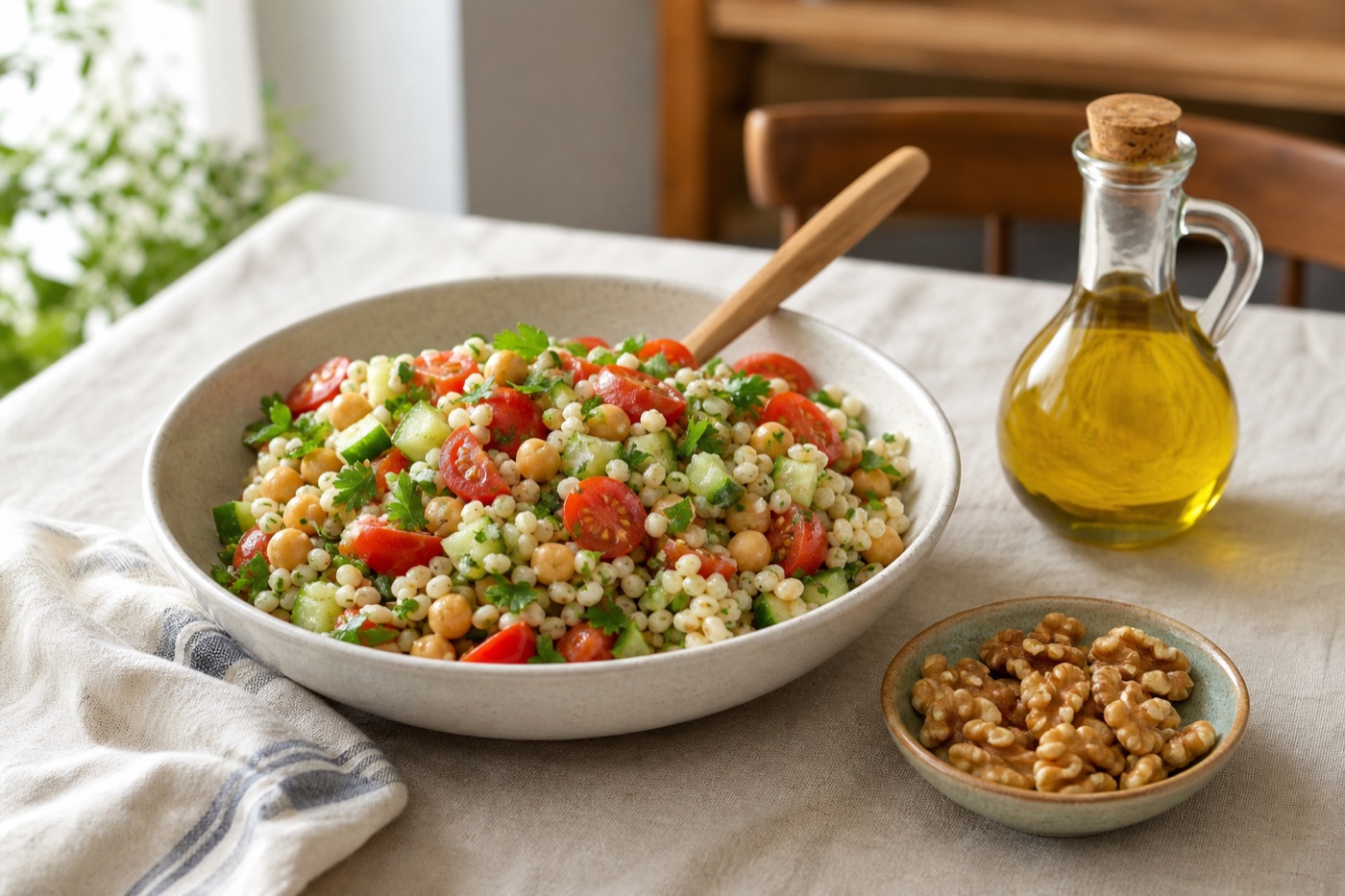
No single ingredient protects your heart, and no single treat ruins it. What matters is what you eat most days over years. The National Heart, Lung, and Blood Institute’s DASH eating plan (Dietary Approaches to Stop Hypertension) was designed to lower blood pressure and is also linked to better cholesterol levels. Mediterranean-style eating follows a similar logic, with olive oil, legumes, fish, vegetables and whole grains at the center.
Both share a few traits:
- Plenty of plant foods, with fiber and potassium
- Unsaturated fats from oils, nuts, seeds and fish
- Modest amounts of red and processed meat
- Little added sugar and salt
The DASH plan at a glance
The NHLBI publishes daily and weekly servings for a 2,000-calorie DASH plan. Here is a simplified version:
| Food group | Servings | One serving is about |
|---|---|---|
| Grains, mostly whole | 6–8 per day | 1 slice bread; 1/2 cup cooked rice, pasta or cereal |
| Vegetables | 4–5 per day | 1 cup raw leafy greens; 1/2 cup cut-up vegetables |
| Fruits | 4–5 per day | 1 medium fruit; 1/2 cup fresh, frozen or canned fruit |
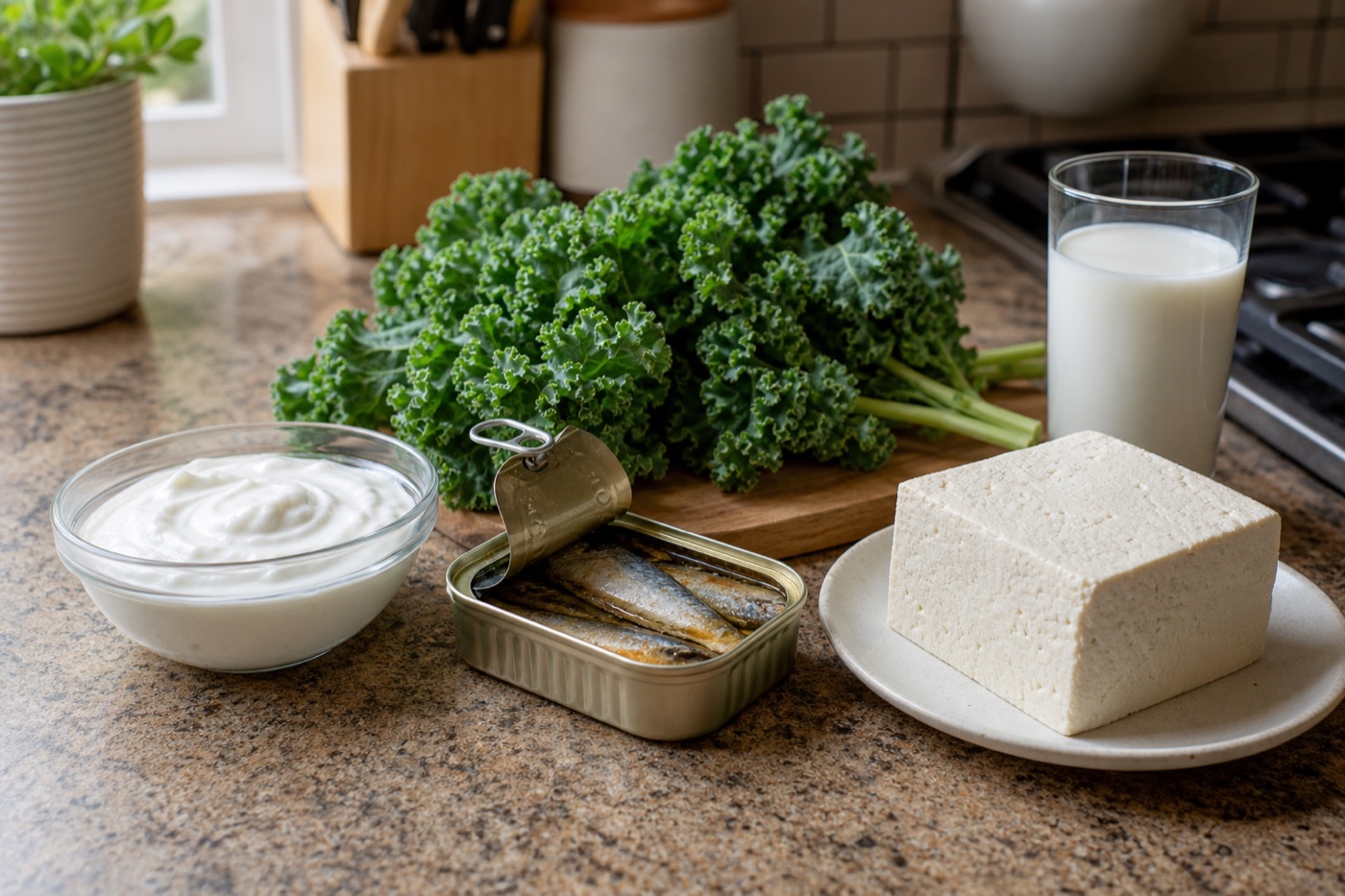
| Low-fat or fat-free dairy | 2–3 per day | 1 cup milk or yogurt; 1 1/2 oz cheese |
| Lean meat, poultry and fish | 6 oz or less per day | 1 oz cooked meat, poultry or fish |
| Nuts, seeds and legumes | 4–5 per week | 1/3 cup nuts; 2 tbsp seeds; 1/2 cup cooked beans |
| Fats and oils | 2–3 per day | 1 tsp vegetable oil; 2 tbsp salad dressing |
| Sweets and added sugars | 5 or less per week | 1 tbsp sugar or jam; 1/2 cup sorbet |
Standard DASH sets a sodium cap of 2,300 milligrams a day, and a lower-sodium version goes to 1,500 milligrams. You don’t need to hit every number; even moving partway toward this pattern helps.
Fats: swap rather than drop
The type of fat matters more than cutting all fat. Replacing saturated fat, found mostly in fatty meats, butter, cheese, cream and coconut and palm oils, with unsaturated fats helps lower LDL cholesterol. For people who need to lower their LDL, the American Heart Association suggests getting no more than about 5 to 6 percent of calories from saturated fat, which is about 13 grams on a 2,000-calorie day.
Practical swaps:
- Cook with olive, canola, avocado or other vegetable oils instead of butter or lard.
- Snack on unsalted nuts instead of chips.
- Choose fish, poultry, beans and lean cuts more often than fatty or processed meats.
- Use avocado or hummus on sandwiches instead of mayonnaise-heavy spreads.
Artificial trans fat, once common in packaged baked goods and fried foods, has largely been phased out by the FDA’s action on partially hydrogenated oils. Our guide to cooking oils compared explains which oils suit which jobs.
Sodium: the hidden load
Too much sodium raises blood pressure, a major risk factor for heart disease and stroke. The American Heart Association recommends no more than 2,300 milligrams a day and an ideal limit of 1,500 milligrams for most adults. Most of the sodium Americans eat comes from packaged and restaurant foods such as breads, cured meats, pizza, soups, sandwiches and savory snacks, rather than from the salt shaker.
Comparing labels, cooking more at home, rinsing canned beans, and seasoning with herbs, spices, citrus and vinegar all help. Our article on cutting back on salt has more strategies.
Fiber, fish and other helpers
Whole grains and soluble fiber. Oats, barley, beans, lentils, apples and citrus contain soluble fiber, which can help lower LDL cholesterol. Choose whole-grain breads, cereals and pasta over refined ones; our guide to telling if a food is really whole grain shows how.
Fish. The American Heart Association recommends eating fish, especially fatty fish such as salmon, sardines, trout and mackerel, at least twice a week. A serving is 3.5 ounces cooked, or about 3/4 cup of flaked fish.
Fruits and vegetables. They provide potassium, which helps balance sodium, as well as fiber and a wide range of protective compounds.
Added sugar and alcohol
The American Heart Association suggests limiting added sugar to no more than 100 calories a day (about 6 teaspoons, or 25 grams) for most women and 150 calories (about 9 teaspoons, or 36 grams) for most men. Sweetened drinks are the biggest single source for many people.
As for alcohol, if you don’t drink, don’t start for your heart’s sake. Heavy drinking raises blood pressure and can damage the heart muscle.
Bringing it together
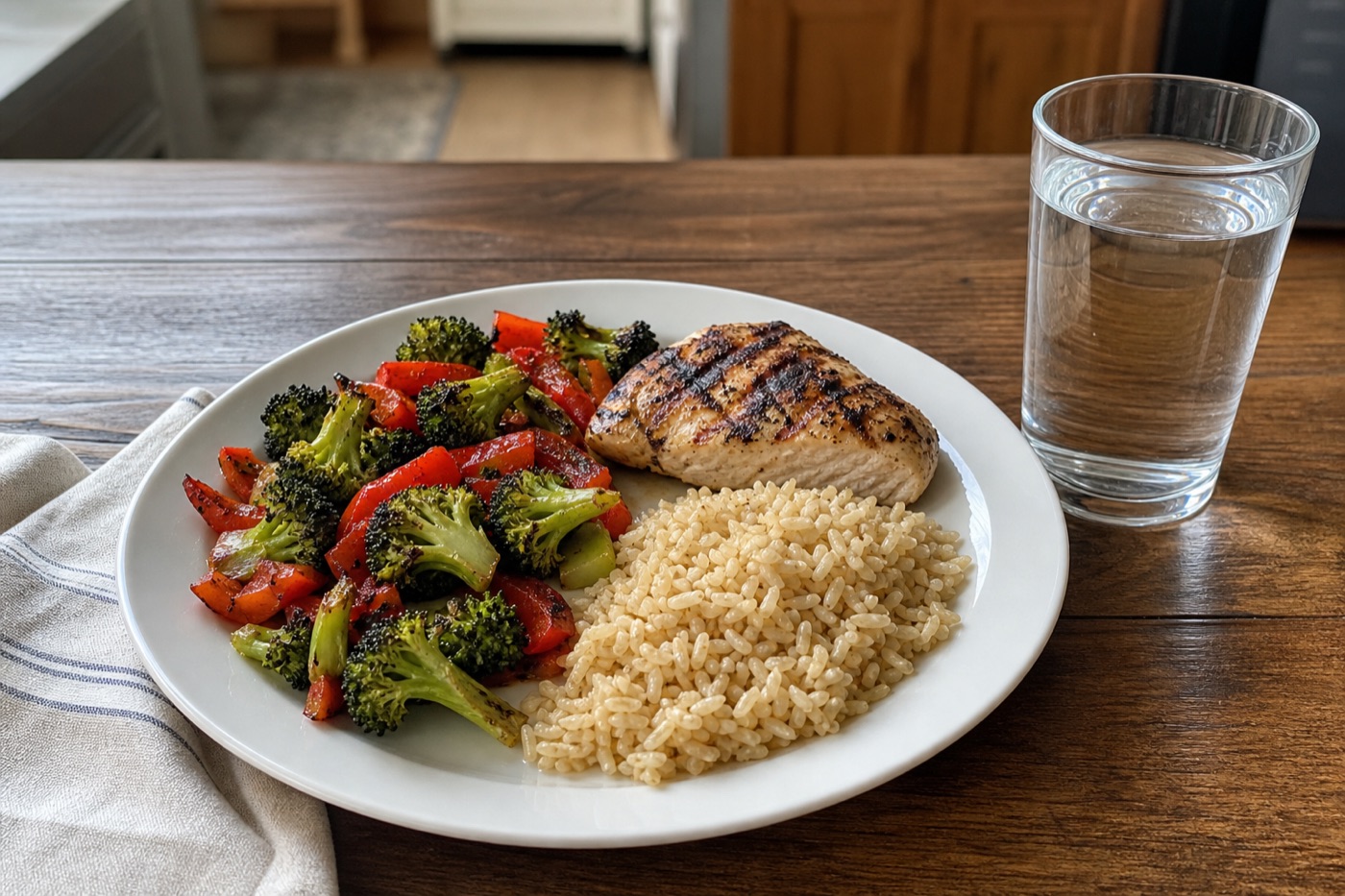
Shift your plate toward vegetables, fruits, whole grains, beans, nuts and fish, choose unsaturated oils, and limit sodium, saturated fat and added sugar. Small, steady changes, like one more vegetable a day or fish twice a week, add up. If you have high blood pressure, high cholesterol, diabetes or heart disease, work with your doctor or a registered dietitian on a plan that fits your health and medications.
Common questions
What is the best diet for heart health?
There isn't one single diet. Patterns such as the DASH eating plan and Mediterranean-style eating share the same core: lots of vegetables, fruits, whole grains, beans, nuts and fish, with less sodium, saturated fat and added sugar.
How much sodium should I have for heart health?
The AHA's upper limit is 2,300 milligrams daily, with 1,500 as the ideal for most adults. Cutting back starts with packaged and restaurant food, since that's where the bulk of it hides.
Are eggs bad for your heart?
For most healthy people, eggs can be part of a heart-healthy diet in moderation. If you have high LDL cholesterol, diabetes or heart disease, ask your doctor or dietitian how many fit your plan.
Sources
Naomi edits Nutrition for Everybody and writes the app rankings. She cares most about advice that still works on a Tuesday night with a tired family and a half-empty fridge.