Alcohol and Nutrition: Calories, Limits and Tips
Alcohol has about 7 calories per gram, and a standard drink carries roughly 100 calories before mixers. What federal guidance says, and who shouldn't drink.
On this page
Alcohol provides about 7 calories per gram, nearly as much as fat, and offers almost no nutrients. One standard drink contains about 14 grams of pure alcohol, which works out to roughly 100 calories before any mixers, juice or cream are added. Federal guidance is clear on two points: people who don’t drink shouldn’t start, and for those who do, drinking less is better for health than drinking more.
What counts as one drink
In the U.S., a standard drink is any drink that contains about 14 grams (0.6 ounces) of pure alcohol. Typical calorie counts are approximate, from USDA FoodData Central:
| Drink | Standard size | Typical alcohol | Calories (about) |
|---|---|---|---|
| Regular beer | 12 oz | 5% | 150 |
| Light beer | 12 oz | about 4% | 100–110 |
| Wine | 5 oz | 12% | 120–125 |
| Distilled spirits (gin, vodka, whiskey, rum) | 1.5 oz | 40% (80 proof) | 95–100 |
Real-world servings are often larger than these. A pint of beer is 16 ounces, many wine glasses hold well over 5 ounces when filled, and craft beers and some wines have a higher alcohol content, so a single glass can count as more than one standard drink.
Where the calories come from
Calories in alcoholic drinks come from two places:
- The alcohol itself, at about 7 calories per gram
- Carbohydrates and sugar from the grain, fruit or mixers
That’s why mixed drinks vary so much. A shot of spirits with soda water adds almost nothing beyond the alcohol, while cocktails made with juice, syrups, soda, cream or liqueurs can add many more calories and a lot of added sugar. Larger cocktails may also contain more than one shot.
Because alcohol supplies energy without fiber, protein or meaningful vitamins and minerals, its calories don’t help you feel full, and they add up quietly over a week. Three 12-ounce regular beers at a weekend cookout, for example, add roughly 450 calories on their own, before any of the food.
How alcohol affects eating and nutrition
Appetite and food choices. Alcohol can lower inhibitions and stimulate appetite, which is why drinking is often paired with salty snacks, late-night meals and larger portions.
Sleep. Alcohol may make you drowsy, but it tends to disrupt sleep later in the night; our article on food and sleep explains how.
Nutrients. Heavy drinking over time can interfere with how the body absorbs and uses nutrients, including several B vitamins such as thiamin and folate, and it can lead to malnutrition when alcohol displaces regular meals.
Dehydration. Alcohol increases urine output, which can leave you dehydrated, especially in heat or after exercise.
Medications. Many common medicines, including some pain relievers, sleep aids, allergy medicines, antidepressants and diabetes drugs, can interact with alcohol. Read the label and ask your pharmacist whether it’s safe to combine them.
Long-term health. Alcohol is linked to several types of cancer, including cancers of the mouth, throat, esophagus, liver, breast and colon, and risk rises with the amount consumed. It can also raise blood pressure and damage the liver and heart.
What the Dietary Guidelines say
The Dietary Guidelines for Americans say adults who don’t drink should not start drinking for any reason, and that drinking less is better for health than drinking more. The 2020–2025 edition advised that adults of legal drinking age can choose not to drink, or limit intake to 2 drinks or less in a day for men and 1 drink or less in a day for women, on days when alcohol is consumed. Check DietaryGuidelines.gov for the current edition’s wording.
Some people should not drink at all, including people who are:
- Pregnant or might be pregnant
- Under the legal drinking age of 21
- Taking medications that interact with alcohol
- Living with certain medical conditions
- Recovering from alcohol use disorder or unable to control how much they drink
- Planning to drive or operate machinery
The CDC defines binge drinking as 4 or more drinks on one occasion for women and 5 or more for men, and heavy drinking as 8 or more drinks a week for women and 15 or more for men.
If you drink, ways to keep it in check
These suggestions aren’t encouragement to drink; not drinking is always a healthy option. For people who already do:
- Measure your pours so you know what a standard drink looks like.
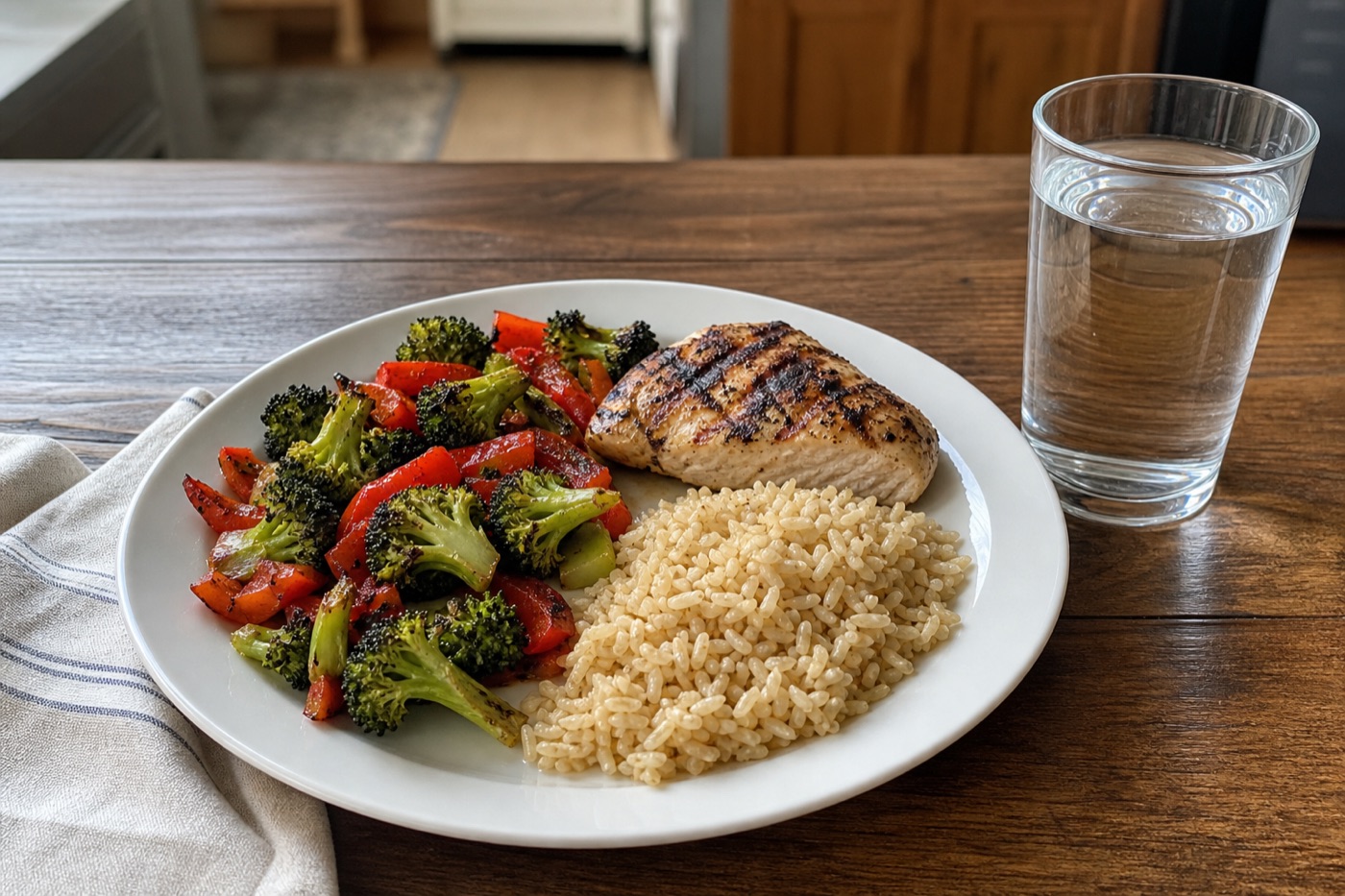
- Eat before and while drinking, choosing a balanced meal rather than salty snacks.
- Alternate each alcoholic drink with a glass of water or another alcohol-free drink.
- Choose simpler drinks. Spirits with soda water, or a smaller glass of wine, carry fewer calories than sugary cocktails.
- Plan alcohol-free days each week.
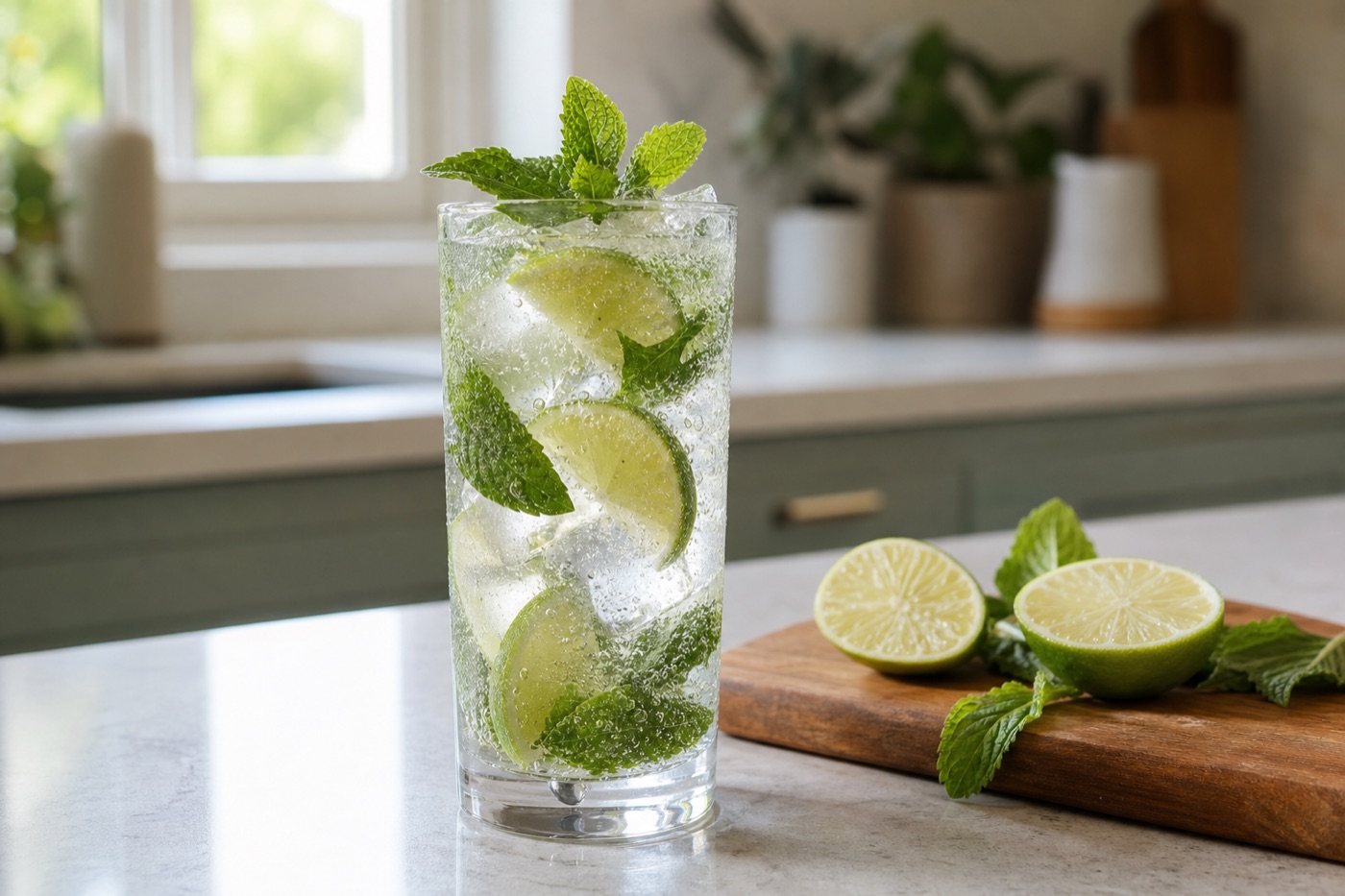
- Try alcohol-free options, such as sparkling water with citrus, herbal iced tea or nonalcoholic beer and wine.
At celebrations, a plan helps; our guide to enjoying holiday meals has more ideas.
The bottom line
Alcohol adds roughly 100 calories per standard drink before mixers, brings almost no nutrients, and carries health risks that rise with the amount consumed. If you don’t drink, there’s no health reason to start; if you do, less is better. If you’re worried about your drinking or someone else’s, talk to your doctor, or call the SAMHSA National Helpline at 1-800-662-4357, which is free, confidential and available 24 hours a day.
Common questions
How many calories are in a glass of wine?
A standard 5-ounce glass of wine has roughly 120 to 125 calories, according to USDA FoodData Central. Larger pours and higher-alcohol wines have more.
Is any amount of alcohol good for your health?
Current federal advice doesn't recommend drinking for health; it says less is better and non-drinkers shouldn't begin. Cancer risk, among other harms, climbs as intake goes up.
Who should not drink alcohol at all?
Anyone who is pregnant or might be pregnant, anyone under 21, people taking medications that interact with alcohol, people with certain medical conditions, people recovering from alcohol use disorder, and anyone who will drive or operate machinery.
Why does alcohol make me hungry?
Drinking tends to loosen self-control and rev up appetite, so salty, rich foods become more tempting. Having a proper meal first and switching to water between drinks blunts the effect.
Sources
Elliot writes about foods, labels and the grocery store, from choosing a cereal to stretching a budget without giving up vegetables.