How to Cut Back on Salt Without Losing Flavor
The shaker is a small part of the problem; processed and restaurant foods supply most sodium. Learn the daily limit, label terms and how to season with less.
On this page
The quickest way to cut back on salt is to change what you buy, not just what you sprinkle, because the bulk of the sodium in American diets arrives already inside processed foods and restaurant meals. Choose lower-sodium versions of the staples you use every week, cook from scratch a little more often, and replace some salt with acid, herbs, spices and aromatics. Taste preferences adjust over time, so food starts to taste properly seasoned with less.
How much sodium is too much
- The general limit: less than 2,300 milligrams a day for people 14 and older, according to the Dietary Guidelines. That’s also the Daily Value on food labels.
- The American Heart Association’s ideal: no more than 1,500 mg a day for most adults, especially people with high blood pressure.
- For perspective: 1 teaspoon of table salt holds about 2,300 mg of sodium, a full day’s limit.
Sea salt and kosher salt contain about the same sodium as table salt by weight. Their larger crystals mean a little less fits in a teaspoon, but switching salts doesn’t solve the problem on its own.
Where the sodium really comes from
The shaker is only a small part of the story. Among the biggest contributors CDC lists for Americans are deli and cured meats, pizza, soups, sandwiches, burritos and tacos, and everyday breads. Bread is a good example of how it adds up: a single slice isn’t especially salty, but many people eat it several times a day.
Other common contributors include savory snacks, cheese, condiments and seasoning packets, and some poultry that has been injected with a salt solution. A tablespoon of regular soy sauce alone can carry about 900 mg or more.
Label words you can trust
FDA defines these terms, so they mean the same thing on every package:
| Words on the package | Sodium per serving |
|---|---|
| Salt-free / sodium-free | under 5 mg |
| Very low sodium | no more than 35 mg |
| Low sodium | no more than 140 mg |
| Light in sodium | 50% or more below the standard product |
| Reduced / less sodium | 25% or more below the standard product |
| Unsalted / no salt added | none used in processing; sodium that occurs naturally may remain |
“Reduced sodium” is relative, so a reduced-sodium soy sauce or soup can still be high. The %DV is the better guide: 5% or less per serving is low, and 20% or more is high.
Building flavor without the shaker
Salt mostly makes food taste more like itself. Plenty of other tools do a similar job:
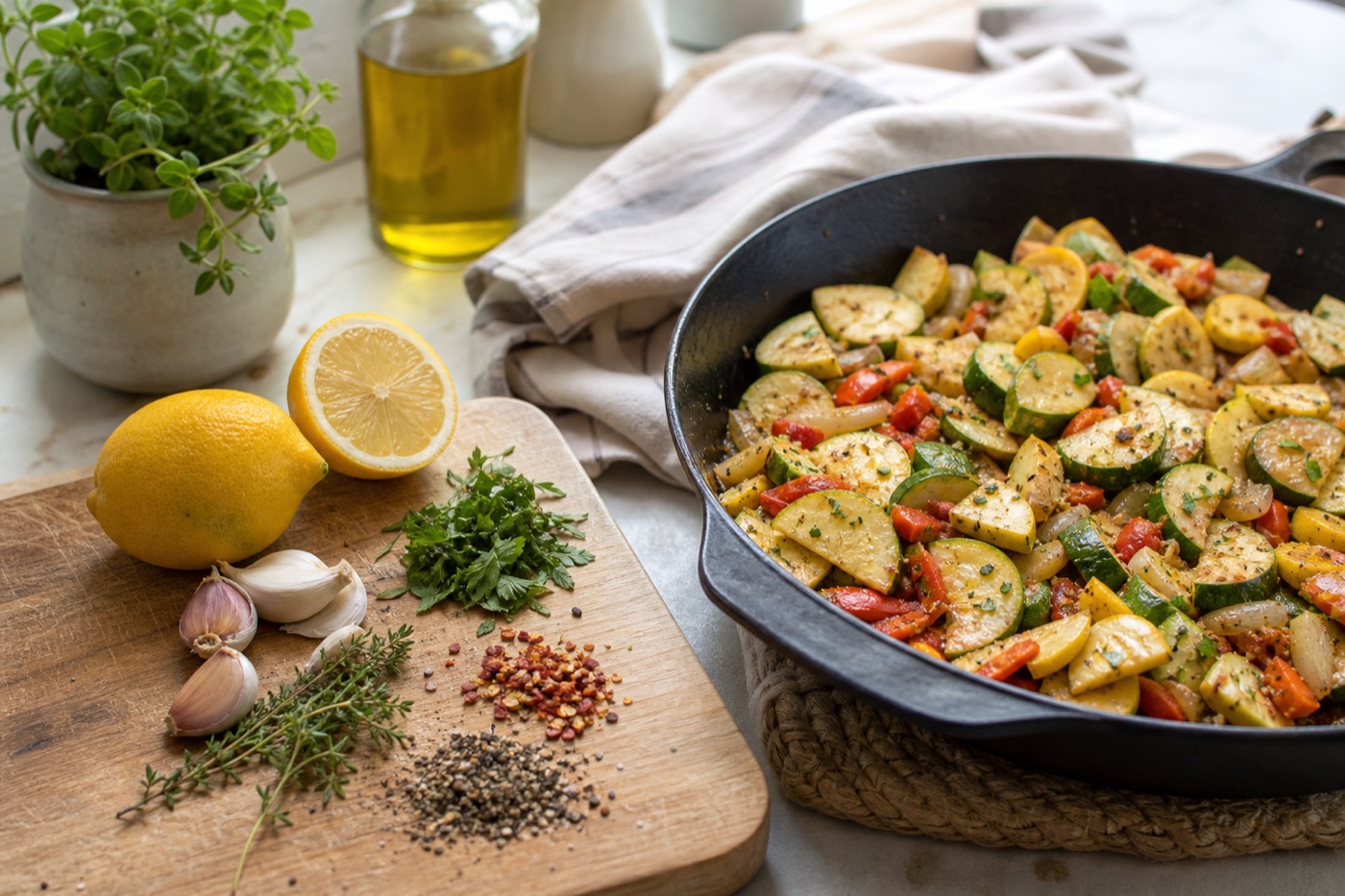
- Acid. A squeeze of lemon or lime, or a splash of vinegar, brightens soups, beans, greens and grilled fish. Add it at the end.
- Aromatics. Garlic, onions, shallots, ginger and scallions build a savory base. Cook them gently in a little oil before adding other ingredients.
- Herbs. Use dried herbs early in cooking and fresh ones such as cilantro, parsley, basil or dill at the end.
- Spices. Cumin, smoked paprika, chili powder, curry powder, black pepper and cinnamon add depth. Check that spice blends don’t list salt as the first ingredient.
- Savory boosters. Tomato paste, sautéed mushrooms and a small amount of a strong, aged cheese bring depth with less salt than you’d need otherwise.
- Browning. Roasting vegetables, searing meat and toasting nuts or whole spices create flavor that salt alone can’t.
Swaps at the store and in the kitchen
- Choose canned beans and vegetables labeled no salt added, or drain and rinse regular ones.
- Buy low-sodium broth, or make your own from vegetable scraps.
- Roast a chicken or turkey breast and slice it for sandwiches instead of buying deli meat.
- Compare bread, cereal and frozen meal labels; similar products can differ a lot.
- At restaurants, have dressing and sauce served separately so you control the amount, and share or box up oversized plates.
- Taste your food before reaching for the shaker, and salt at the end of cooking, when a little goes further.
Step down gradually
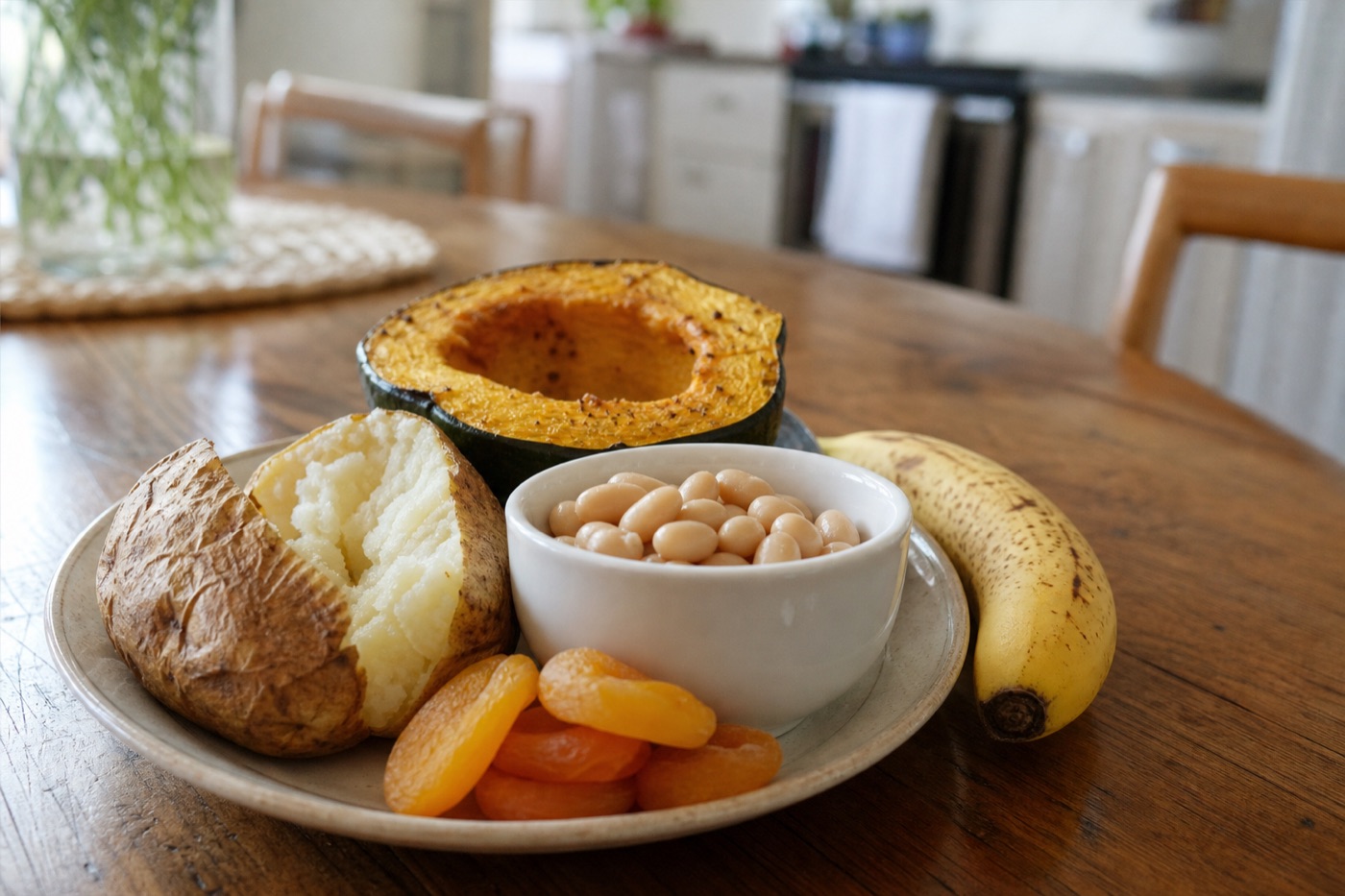
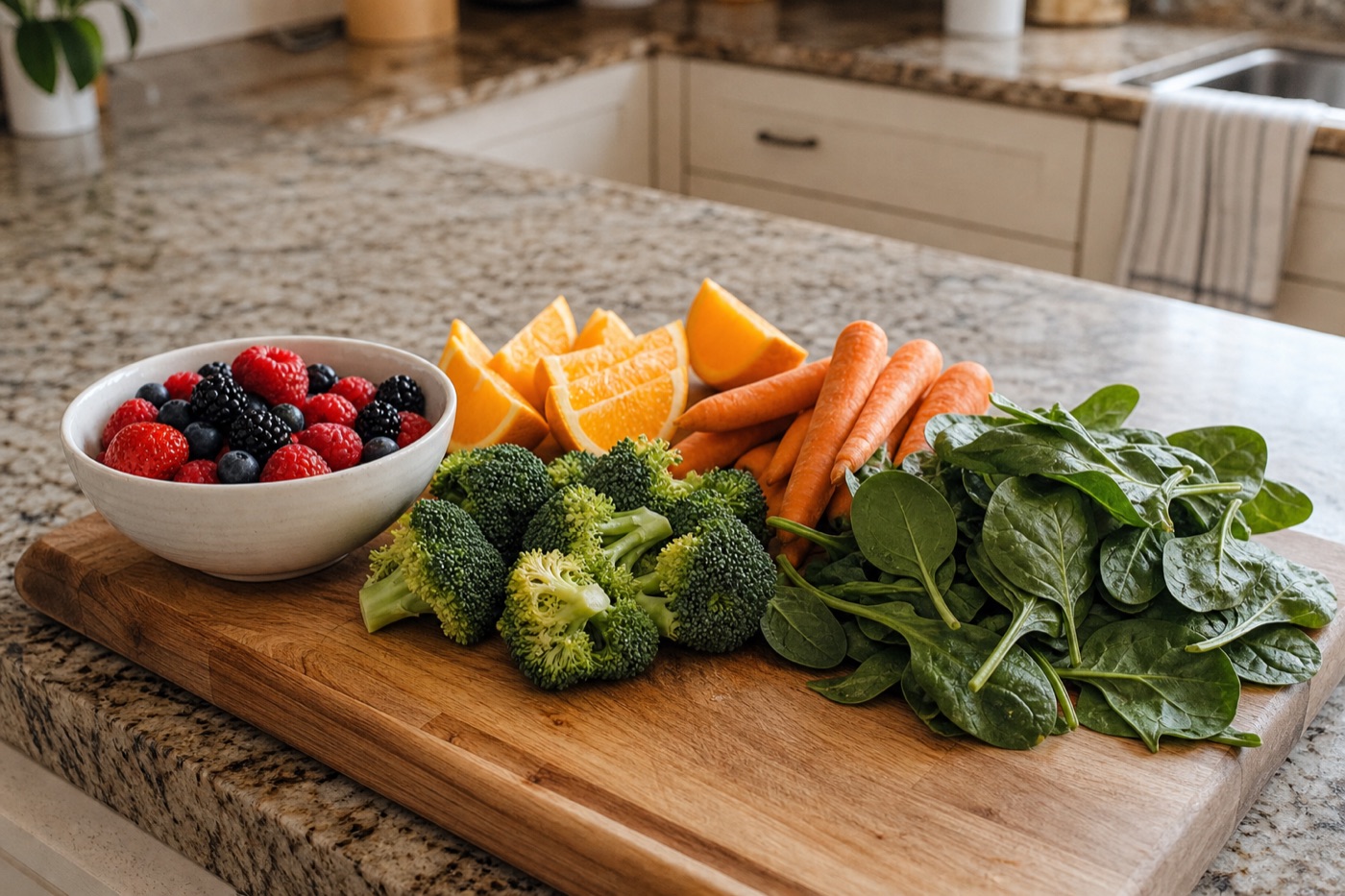
Cutting salt by a quarter for a couple of weeks, then trimming again, is easier than going to zero overnight. Filling more of your plate with beans, potatoes, leafy greens, yogurt and fruit, all good sources of potassium, helps offset sodium’s effect on blood pressure; our guide to foods high in potassium lists the best ones. Be cautious with salt substitutes, which often contain potassium chloride, if you have kidney disease or take blood pressure medicine.
If you have high blood pressure, heart failure or kidney disease, your doctor or a registered dietitian can give you a personal sodium target. Our guide to eating for a healthy heart puts sodium in the context of the whole plate.
Season smarter
Start with the processed foods and takeout meals that show up most often in your week, since that is where most of the sodium hides. Then lean on lemon, garlic, herbs and spices at home. Give it a few weeks, and the lower-salt version may well become the one you prefer.
Common questions
Are sea salt and pink salt better for you than table salt?
Hardly. Gram for gram they deliver close to the sodium of ordinary table salt, and their trace minerals come in amounts too small to matter. Iodized table salt also supplies iodine, which most specialty salts don't.
Does rinsing canned beans really lower the sodium?
Yes. Tipping the beans into a colander and rinsing them removes part of the salty liquid they were packed in. Buying cans labeled no salt added cuts the sodium even further.
How long does it take to get used to less salt?
It varies from person to person, and the change tends to happen over weeks rather than days. Cutting back gradually, rather than all at once, usually makes the adjustment easier.
Sources
Naomi edits Nutrition for Everybody and writes the app rankings. She cares most about advice that still works on a Tuesday night with a tired family and a half-empty fridge.