Caffeine: How Much Is Too Much?
For healthy adults, FDA says up to 400 mg of caffeine a day, about 4 or 5 cups of coffee, isn't usually harmful. See how drinks compare and who needs less.
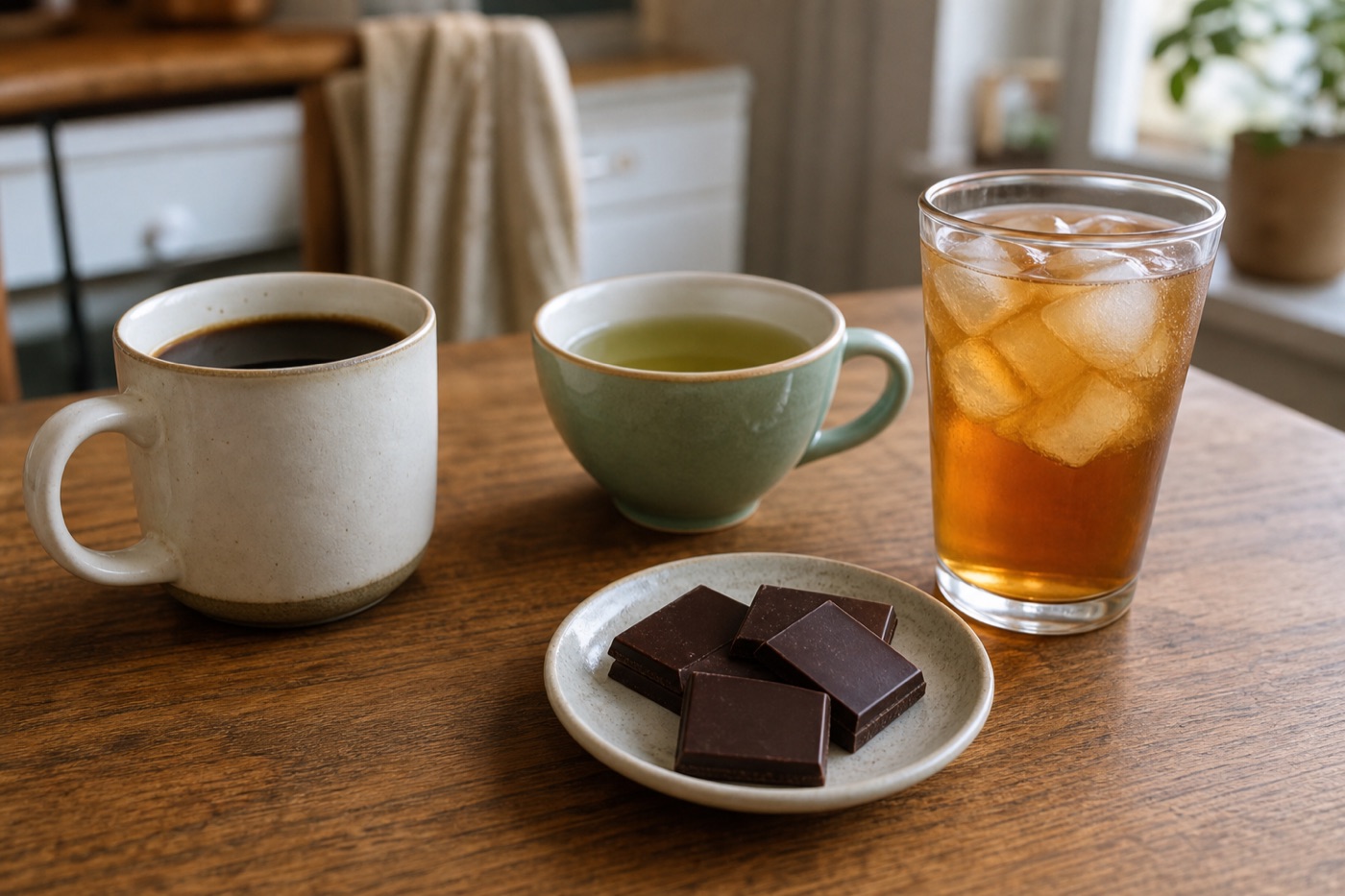
On this page
For most healthy adults, up to 400 milligrams of caffeine a day, roughly four or five cups of brewed coffee, is an amount the FDA says isn’t generally associated with dangerous effects. People who are pregnant should stay under 200 mg a day, according to ACOG, and children and teens are better off with little or none. Sensitivity varies a lot from person to person, so your own sleep, heart rate and nerves are the best gauge of “too much.”
How much caffeine is in common drinks
Approximate amounts, based on FDA and USDA FoodData Central figures. Brewing method, brand and cup size cause big swings.
| Drink or food | Portion | Approximate caffeine |
|---|---|---|
| Brewed coffee | 8 oz | 80–100 mg, sometimes more |
| Espresso | 1 oz shot | about 60–65 mg |
| Black or green tea | 8 oz | 30–50 mg |
| Cola | 12 oz | 30–40 mg |
| Energy drinks | 8 oz | 40–250 mg |
| Decaf coffee | 8 oz | 2–15 mg |
| Dark chocolate | 1 oz | roughly 10–25 mg |
| Most herbal teas | 8 oz | none |
One catch: a “cup” of coffee is officially 8 ounces, but coffee-shop sizes are often 12, 16 or 20 ounces. A single large drink can be two or more of those servings, so a day with three big coffees can pass 400 mg quickly. Herbal blends that include yerba mate, guayusa or green tea do contain caffeine.
Signs you’ve had too much
FDA lists these common signals that caffeine is getting the better of you:
- Trouble falling or staying asleep
- Jitters or shakiness
- Feeling anxious or on edge
- A fast heartbeat
- An upset stomach or nausea
- Headache
- A low, unhappy mood
These can show up below 400 mg in sensitive people. Very large amounts consumed quickly, around 1,200 mg, can cause serious effects such as seizures, according to FDA. That’s hard to reach with coffee but easier with concentrated products.
Who should have less
- Pregnancy. ACOG advises keeping caffeine under 200 mg a day, roughly what’s in one 12-ounce cup of brewed coffee. See our guide to eating well during pregnancy for more.
- Breastfeeding. A small amount of caffeine passes into breast milk. Moderate intake is usually fine, but ask your provider if your baby seems fussy or sleeps poorly.
- Children and teens. The American Academy of Pediatrics discourages caffeine for kids and recommends against energy drinks altogether.
- People with certain health conditions such as heart rhythm problems, anxiety disorders, insomnia or acid reflux, and those who take medicines that interact with caffeine. Your doctor or pharmacist can tell you whether to cut back.
Where caffeine hides
Coffee and tea are obvious. These sources are easier to miss:
- Energy drinks and energy shots
- Pre-workout powders and some weight-loss supplements, often listing guarana, kola nut, yerba mate or green tea extract
- Certain over-the-counter headache and pain relievers; check the active ingredients
- Iced teas, some citrus sodas and coffee-flavored desserts
- Chocolate, in smaller amounts
FDA has also warned consumers about pure powdered and highly concentrated liquid caffeine. Tiny measuring errors with these products can deliver a dangerous dose, since a single teaspoon of the powder can hold about as much caffeine as more than two dozen cups of coffee.
Caffeine and sleep
Caffeine is a stimulant. It blocks adenosine, a chemical that builds up in the brain while you’re awake and helps you feel sleepy, which is why a cup perks you up. The same effect can make it harder to fall asleep and can leave your sleep lighter even once you drift off. People also clear caffeine at different speeds; pregnancy, smoking, age and some medications all change the pace.
Because those effects can linger for hours, an afternoon coffee may still be with you at bedtime. If you have trouble sleeping, try setting a cutoff time, perhaps early afternoon, and see whether your nights improve over a week or two. Our guide to food and sleep looks at other factors worth considering.
Cutting back without the headache
Stopping suddenly can bring withdrawal symptoms such as headache, tiredness, irritability and trouble concentrating, usually for a few days. A gradual taper is easier:
- Track what you drink for a few days, including the cup sizes.
- Replace one serving with half-caf, decaf or an herbal tea.
- Cut by about half a cup every few days rather than all at once.
- Drink water through the day, and give yourself a week or two to adjust.
Know your number
Most healthy adults can enjoy coffee or tea comfortably below 400 mg a day, but the right amount for you is the one that doesn’t disturb your sleep, stomach or nerves. Count the ounces, not just the cups, and adjust if your body tells you to.
Common questions
Does decaf coffee have caffeine?
A little. FDA notes that an 8-ounce cup of decaf typically has about 2 to 15 milligrams. That's small, but several cups can add up for people who are very sensitive.
Does caffeine dehydrate you?
Caffeine has a mild diuretic effect, but in regular coffee and tea drinkers the fluid in the drink largely makes up for it, and these drinks count toward your daily fluids. Plain water is still the best everyday choice.
Is caffeine safe for teenagers?
The American Academy of Pediatrics discourages caffeine for children and teens and says energy drinks have no place in their diets. If your teen drinks coffee or soda, a pediatrician can help you talk through sensible limits.
Sources
Naomi edits Nutrition for Everybody and writes the app rankings. She cares most about advice that still works on a Tuesday night with a tired family and a half-empty fridge.