Late-Night Snacking: Why It Happens and What Helps
Late-night snacking often follows a light day of eating, stress, habit or fatigue. Eating enough earlier, a planned snack and a wind-down routine help.
On this page
Late-night snacking usually has a reason behind it: not eating enough earlier in the day, a habit tied to the couch or the TV, stress, boredom or simple tiredness. Eating regular, filling meals before evening, planning a small snack if you want one, and building a routine that signals the kitchen is closed tend to help more than trying to white-knuckle it.
Why the evening pull is so strong
You under-ate earlier
The most common reason is the simplest. A coffee for breakfast, a rushed lunch and a long afternoon leave you running on empty by 9 p.m. Your body isn’t misbehaving; it’s catching up.
The habit loop
If you’ve had chips on the couch most nights for years, sitting on the couch can trigger the craving on its own. The cue (the sofa, a show, the end of the dishes) leads to the routine (the snack), which brings a small reward.
Tired brains want quick energy
Fatigue makes high-calorie foods more appealing and self-control harder. Research has tied too little sleep to a bigger appetite the following day, which can turn into a loop: staying up late leads to snacking, and snacking late can make sleep worse.
Stress, boredom and winding down
Food is comforting, and evenings are when many people finally have a moment to themselves. Eating can become the main way to relax, even when you aren’t hungry.
Is eating at night actually bad?
What you eat over the whole day matters more than the clock. A planned snack after dinner is perfectly reasonable, especially if you eat dinner early or are active in the evening.
Timing does affect comfort, though. A big, fatty plate shortly before bed is a classic heartburn trigger, and for people prone to reflux the NIDDK recommends staying upright for a while after meals. Heavy late eating can also interfere with sleep; our article on food and sleep explains why.
There’s also the question of what late snacks tend to be. Few people raid the fridge for steamed broccoli. Night-time picks lean toward chips, cookies, ice cream and leftovers eaten straight from the container, and they’re often eaten while distracted, which makes portions easy to lose track of.
What helps: seven practical steps
- Eat a real breakfast and lunch. Including protein and fiber earlier, such as eggs, yogurt, beans or whole grains, leaves less of a gap to fill at night.
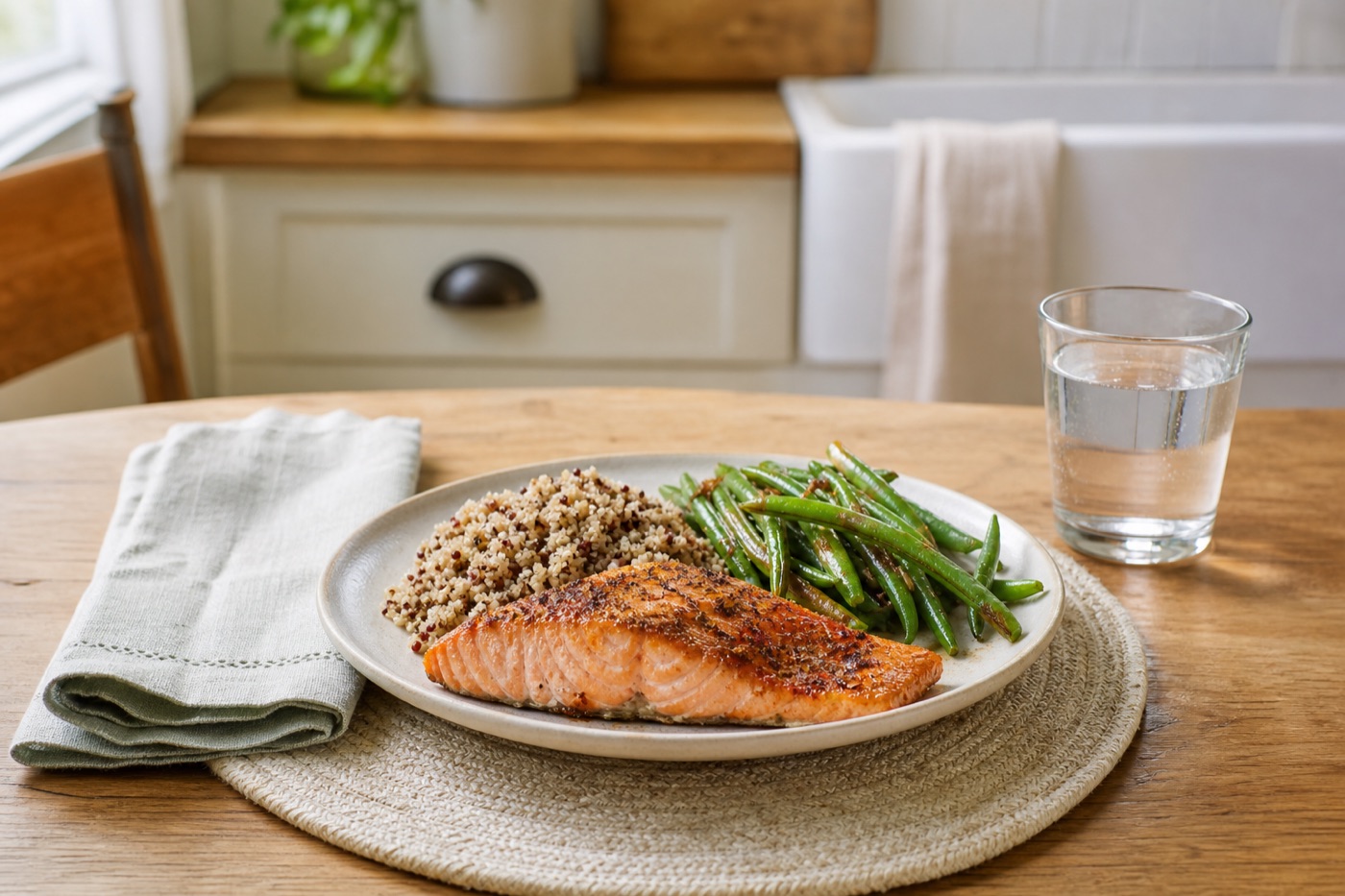
- Make dinner satisfying. An evening meal built on vegetables, a solid portion of protein and some whole grains or potatoes holds you far longer than a light salad alone.
- Plan the snack instead of fighting it. Decide what and roughly when, put it in a bowl, and sit down to eat it.
- Change the cue. Brush your teeth after dinner, make a cup of herbal tea, or keep your hands busy with something other than a bag of chips.
- Move the temptations. If certain foods are hard to stop eating, don’t keep them in the house, or store them out of sight.
- Ask what you need. Hungry, tired, stressed or bored? If it’s not hunger, a walk, a shower, a call or simply going to bed may do more than food.
- Protect your sleep. A consistent bedtime makes late snacking less likely in the first place.
If you work late shifts
Night-shift and late-shift workers can’t simply “stop eating after dinner,” because dinner may happen at 2 a.m. The same ideas still apply on a shifted clock: eat a proper meal before or early in your shift, pack balanced snacks instead of relying on vending machines, and keep the meal right before you sleep fairly light so it doesn’t disturb your rest.
Snacks that satisfy without a heavy load
When real hunger is the issue, aim for a small portion that brings protein or fiber along with a moderate number of calories. Approximate values from USDA FoodData Central:
| Snack | Calories (about) |
|---|---|
| 3 cups air-popped popcorn | 95 |
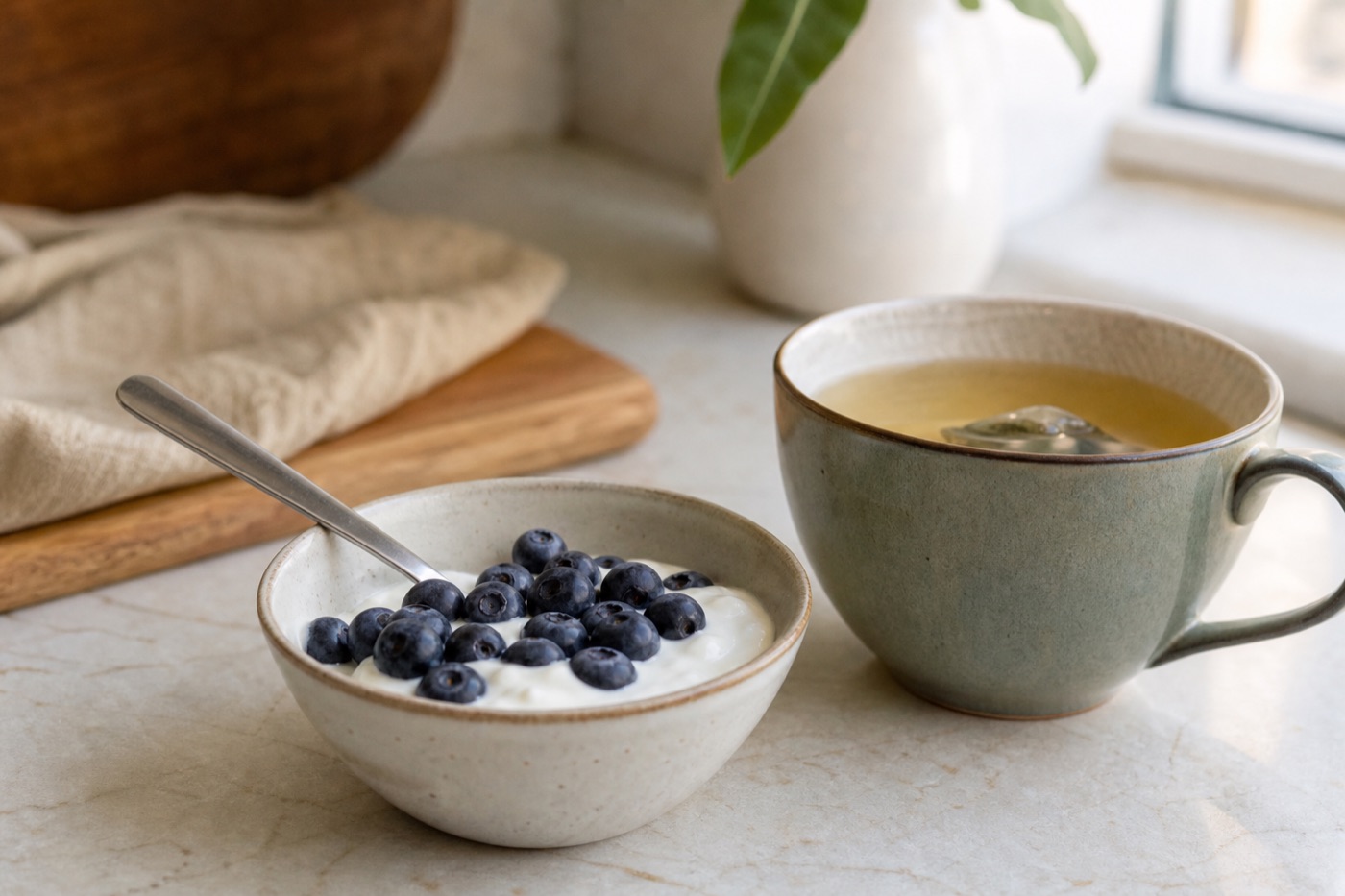
| 6 oz plain nonfat Greek yogurt with 1/2 cup blueberries | 140 |
| 1/2 cup low-fat cottage cheese with sliced peaches | 120 |
| 1 medium apple with 1 tbsp peanut butter | 190 |
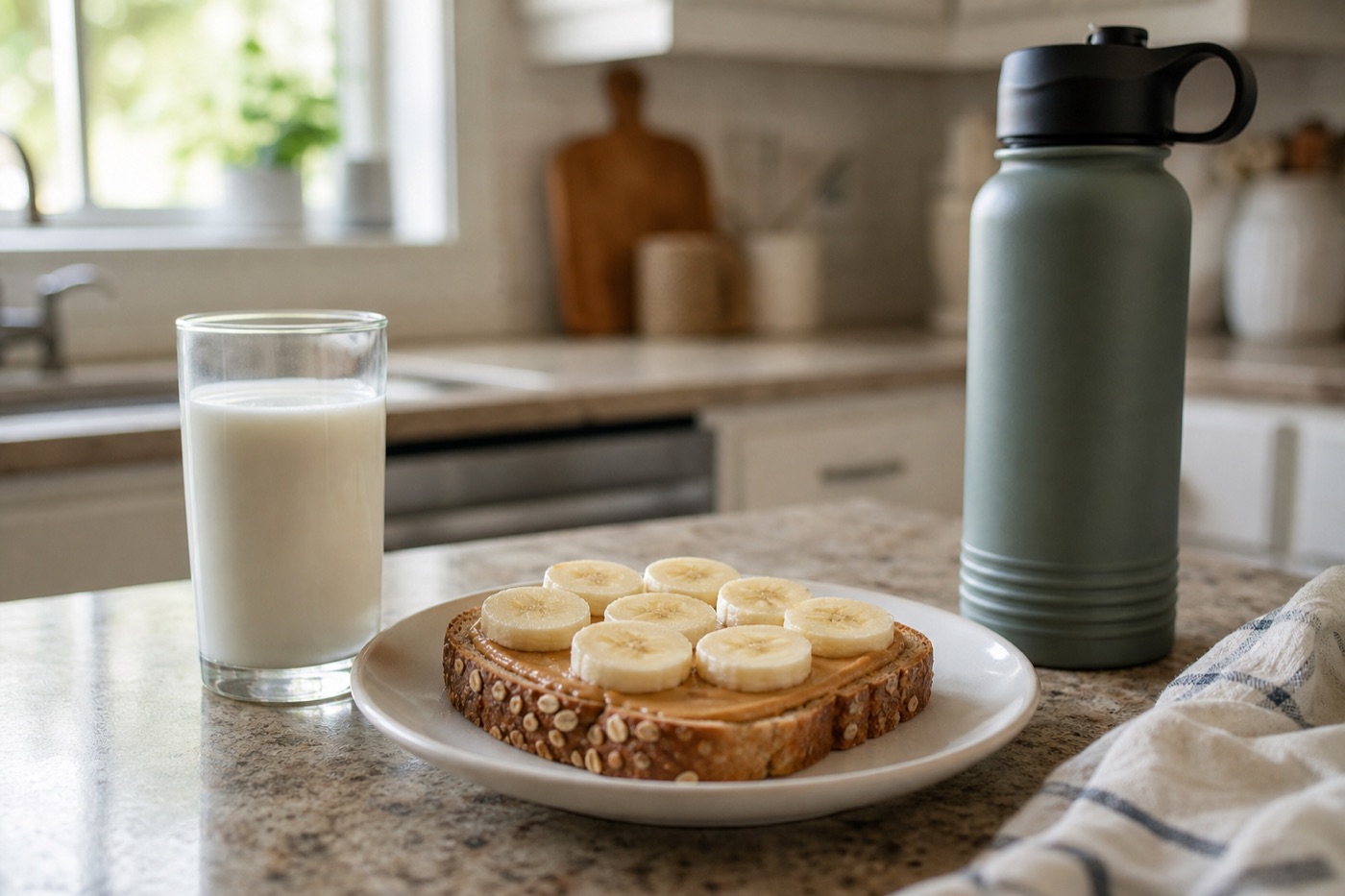
| 1 slice whole-wheat toast with 1 tbsp almond butter | 175 |
| 1 medium banana | 105 |
| A mug of herbal tea, no caffeine | 0–5 |
For more combinations, see our guide to what makes a healthy snack. If afternoon energy crashes are part of the pattern, our article on foods for steady energy may help you rebalance the day.
When it feels out of control
Occasional evening snacking is normal, and so is eating more on some days than others. It’s worth talking with a doctor or a registered dietitian if you regularly eat large amounts in a short time and feel unable to stop, eat in secret, feel strong guilt or distress afterward, or wake up at night needing to eat to fall back asleep. These can be signs of an eating disorder or another condition that responds well to treatment, and support is available. If you have a history of disordered eating, work with a professional rather than setting strict rules on your own.
What to remember
Late-night snacking is usually a signal, not a character flaw. Eat enough earlier, make dinner filling, choose a planned snack if you want one, and give your evening a routine that doesn’t revolve around the pantry. Start with the step that fits your pattern best, and add others once it sticks.
Common questions
Is it bad to eat right before bed?
A modest snack after dinner causes no harm for most people, and a growling stomach can keep you awake. It's the heavy, greasy or very spicy plates eaten just before lying down that tend to bring heartburn and a restless night.
Why am I so hungry at night but not in the morning?
Often it's because most of the day's food comes late, so you aren't hungry at breakfast and then run short by evening. Shifting more food to breakfast and lunch tends to even out appetite across the day.
What is a good late-night snack?
Something small that pairs protein or fiber with a modest amount of calories, such as yogurt with berries, air-popped popcorn, or apple slices with a thin layer of nut butter. Keeping it under about 200 calories works for many people.
Sources
Ruth covers nutrition through life stages and everyday health, from feeding school-age kids to eating well after sixty.