The Many Names of Added Sugar on Food Labels
Added sugar hides under names like dextrose, cane juice, malt syrup and fruit juice concentrate. Here's a grouped list and how to read the Added Sugars line.
On this page
Added sugar appears on ingredient lists under dozens of names, from familiar ones like cane sugar, honey and maple syrup to less obvious ones like dextrose, malt syrup and fruit juice concentrate. You don’t need to memorize them all. Words ending in “-ose,” anything called a syrup, nectar or juice concentrate, and most ingredients with “sugar” in the name are added sugars, and the Added Sugars line on the Nutrition Facts label totals them for you.
Why one product can list several sugars
Different sweeteners do different jobs. Some keep baked goods moist, some help with browning, some add a particular flavor, and syrups bind granola and bars together. There’s also a labeling effect: because ingredients appear in order of weight, using three smaller amounts of different sugars places each of them further down the list than one large amount would. That’s why it pays to scan the whole list, not just the first line. Our guide to reading an ingredient list covers that in more detail.
The names, grouped
| Type | Names you may see |
|---|---|
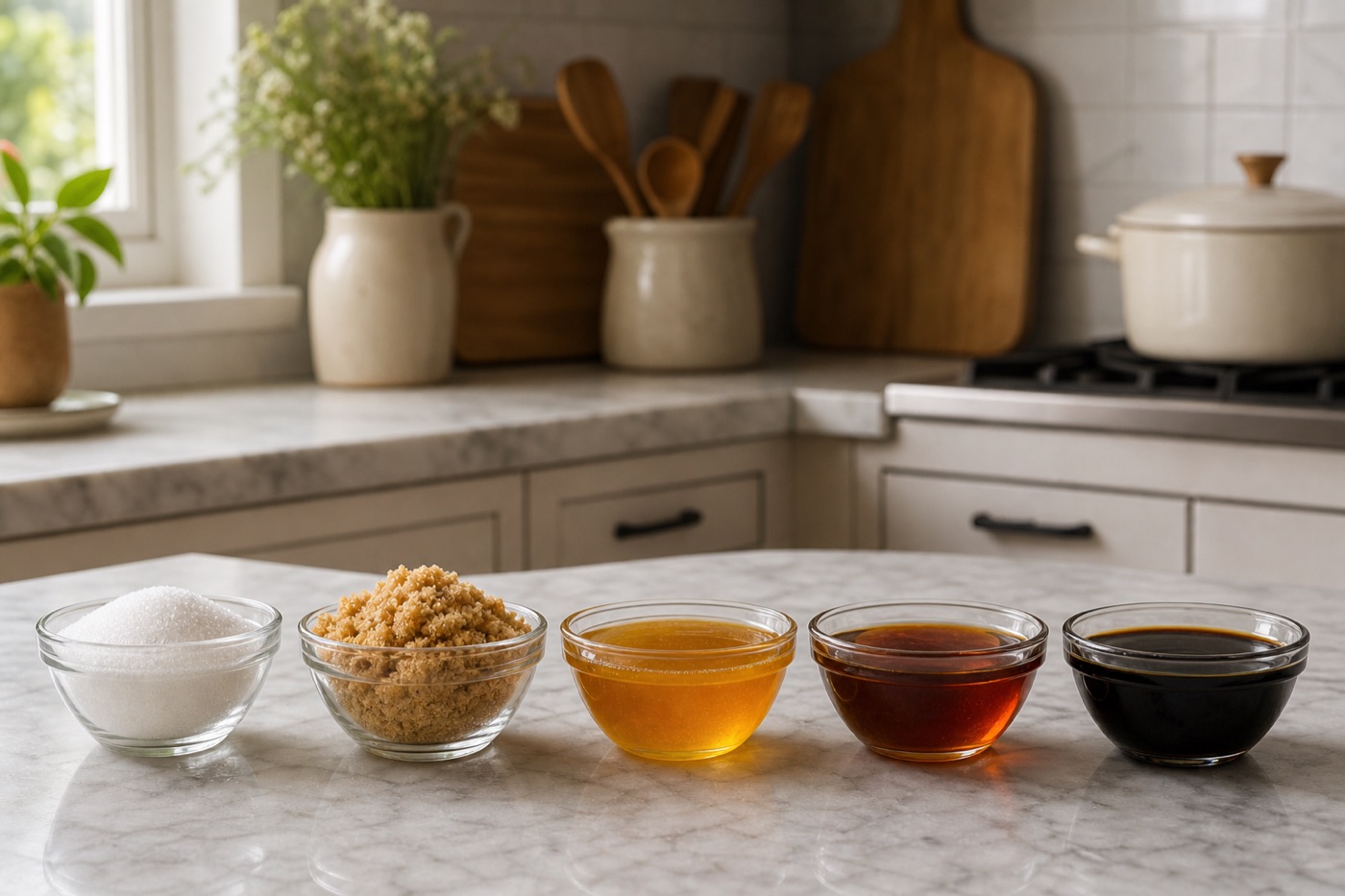
| Sugars | cane sugar, beet sugar, brown sugar, raw sugar, turbinado sugar, powdered or confectioners’ sugar, coconut sugar, invert sugar, piloncillo |
| Syrups | corn syrup, high-fructose corn syrup, corn syrup solids, maple syrup, brown rice syrup, malt syrup, agave syrup or nectar, cane syrup, sorghum syrup |
| Words ending in “-ose” | sucrose, glucose, dextrose, fructose, crystalline fructose, maltose, lactose (when added as an ingredient) |
| Natural-sounding sweeteners | honey, molasses, evaporated cane juice, fruit juice concentrate, fruit nectar |
| Others | barley malt, caramel, corn sweetener |
Each of these adds sugar no matter how wholesome it sounds. “Raw,” “organic” or “unrefined” describe how a sweetener was made, not whether it counts.
What isn’t counted as added sugar
- Sugar that’s naturally in a food. The fructose in a whole apple and the lactose in plain milk or plain yogurt aren’t added sugars.
- Low- and no-calorie sweeteners. Sucralose, aspartame, stevia leaf extract and monk fruit extract sweeten without counting as added sugar on the label.
- Sugar alcohols. Sorbitol, xylitol and erythritol may be listed separately on the panel. Large amounts can upset some people’s stomachs.
Reading the Added Sugars line
The Nutrition Facts label now shows “Includes X g Added Sugars” indented under Total Sugars, with its own %DV based on a Daily Value of 50 grams. Total Sugars includes everything, natural and added; the indented line isolates the part that was put there during processing.
A handy conversion: about 4 grams of sugar equals 1 teaspoon. A yogurt with 12 grams of added sugar holds roughly 3 teaspoons stirred in.
On a jar of pure honey or a bottle of maple syrup you may notice a small symbol next to the added sugars figure. It leads to a footnote explaining that the product contributes added sugars to your diet even though nothing was added to the jar itself.
How much is a lot?
Official limits are expressed a few different ways:
- FDA Daily Value: 50 grams of added sugars a day, about 12 teaspoons, on a 2,000-calorie diet.
- Dietary Guidelines, 2020–2025 edition: less than 10% of calories from added sugars starting at age 2, and none for babies and toddlers under 2.
- American Heart Association: no more than about 25 grams (6 teaspoons) a day for most women and 36 grams (9 teaspoons) for most men, and less than 25 grams a day for children ages 2 to 18.
To put those numbers in perspective, a 12-ounce can of regular cola has roughly 35 to 40 grams of sugar, based on USDA FoodData Central values. That’s close to the American Heart Association’s daily limit for men and well over its limit for women in a single drink.
The Dietary Guidelines identify sugar-sweetened beverages, such as soda, fruit drinks, and sports and energy drinks, as the single biggest source of added sugars for Americans.
Where added sugar turns up
Beyond desserts and drinks, it’s common in foods many people don’t think of as sweet:
- Flavored yogurt and flavored plant-based milks
- Granola, cereal bars and instant oatmeal packets
- Pasta sauce, ketchup and barbecue sauce
- Salad dressings and marinades
- Bread and rolls
- Protein bars and “fruit” snacks
Breakfast cereal is a big one; our guide to choosing a breakfast cereal shows how to compare boxes.
Easy swaps
- Buy plain yogurt and stir in fruit, cinnamon or a small spoonful of honey.
- Choose unsweetened versions of plant-based milks.
- Swap one soda a day for sparkling water with a squeeze of lime.
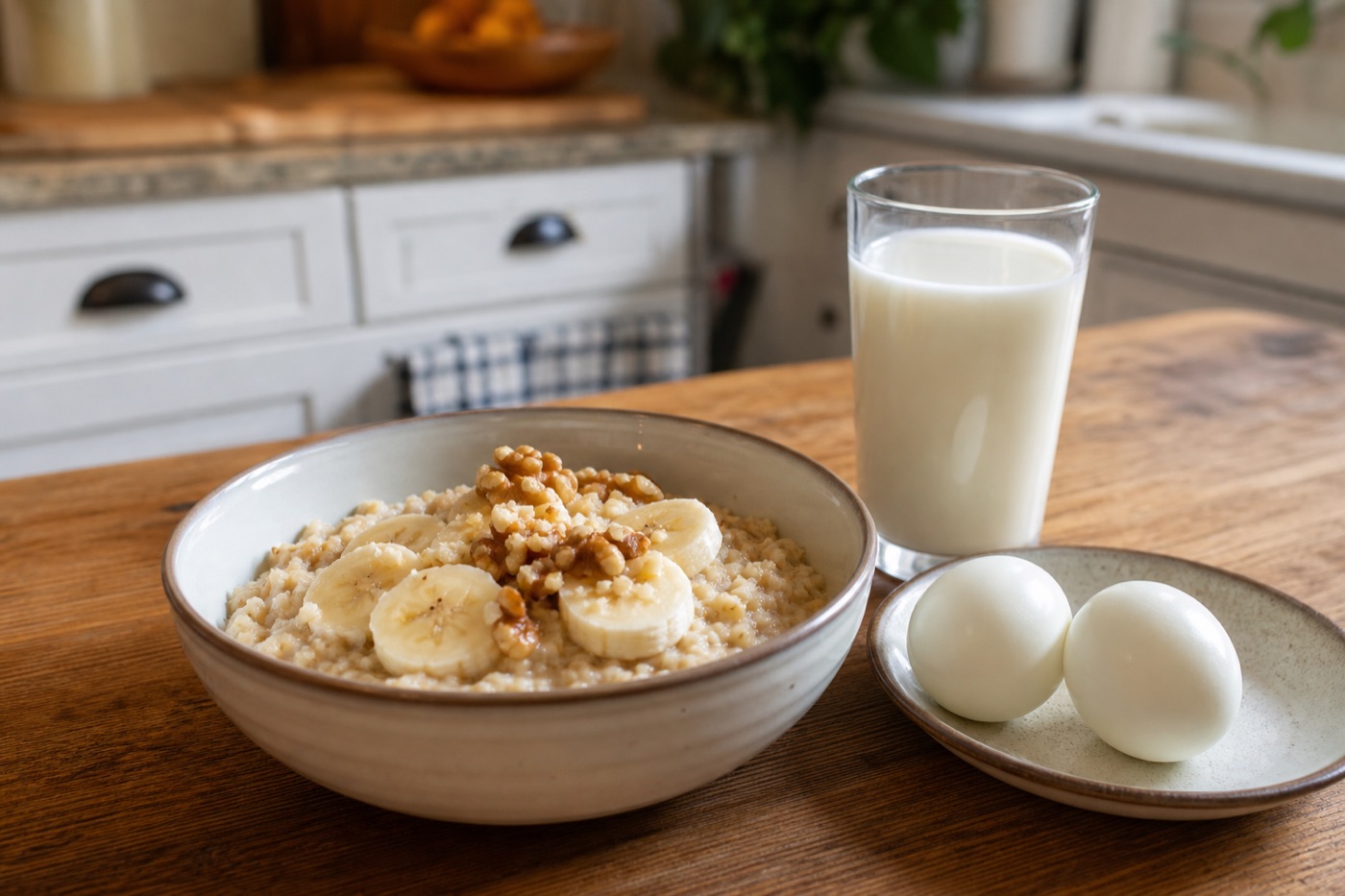
- Make oatmeal from plain oats and sweeten it with mashed banana.
- When baking muffins or quick breads at home, try trimming the sugar a little; many recipes hold up fine.
What to take away
You can’t always tell from the name, but you can always tell from the label. Glance at the Added Sugars line, compare similar products, and let the ingredient list show you which sweeteners were used. Small, steady trims add up more than any single dramatic cut.
Common questions
Is honey healthier than sugar?
Your body treats both as added sugar, and honey actually has slightly more calories per teaspoon because it's denser. It can be a flavorful choice in small amounts but counts toward the same limit. Never give honey to babies under 1 year old because of the risk of infant botulism.
Does fruit juice concentrate count as added sugar?
Generally, yes, when it's used to sweeten another food. FDA counts the sugar from concentrated fruit or vegetable juices as added sugar, with limited exceptions, so it shows up in the Added Sugars line.
Should I worry about the sugar in fruit and milk?
Not in the way you would about added sugars. Whole fruit comes with fiber, water, vitamins and potassium, and plain milk brings protein and calcium. Federal guidance encourages most people to eat more fruit, not less.
Sources
Ruth covers nutrition through life stages and everyday health, from feeding school-age kids to eating well after sixty.