How to Get More Iron From Food
Iron comes as heme iron from meat and seafood and nonheme iron from beans, greens and fortified grains. See how much you need and how to absorb more of it.
On this page
To get more iron from food, eat a mix of iron-rich foods, such as lean red meat, poultry, seafood, beans, lentils, tofu, leafy greens and iron-fortified cereals, and pair plant sources with a food high in vitamin C, which helps your body absorb them. Timing matters too: coffee and tea with a meal can cut how much iron you take in. Small changes in what you put together on the plate often matter as much as the iron numbers themselves.
How much iron you need
Iron needs change a lot with age, sex and life stage. These are the daily amounts recommended by the NIH Office of Dietary Supplements:
| Group | Iron per day |
|---|---|
| Men 19 and older | 8 mg |
| Women 19–50 | 18 mg |
| Women 51 and older | 8 mg |
| Pregnancy | 27 mg |
| Breastfeeding, 19 and older | 9 mg |
| Teen boys, 14–18 | 11 mg |
| Teen girls, 14–18 | 15 mg |
Women of childbearing age need more than twice what men do, largely because of iron lost through menstruation. NIH also notes that people who eat a vegetarian diet may need about 1.8 times these amounts, since the iron in plants is absorbed less readily.
Two kinds of iron
Heme iron is found in meat, poultry and seafood. Your body absorbs it relatively easily.
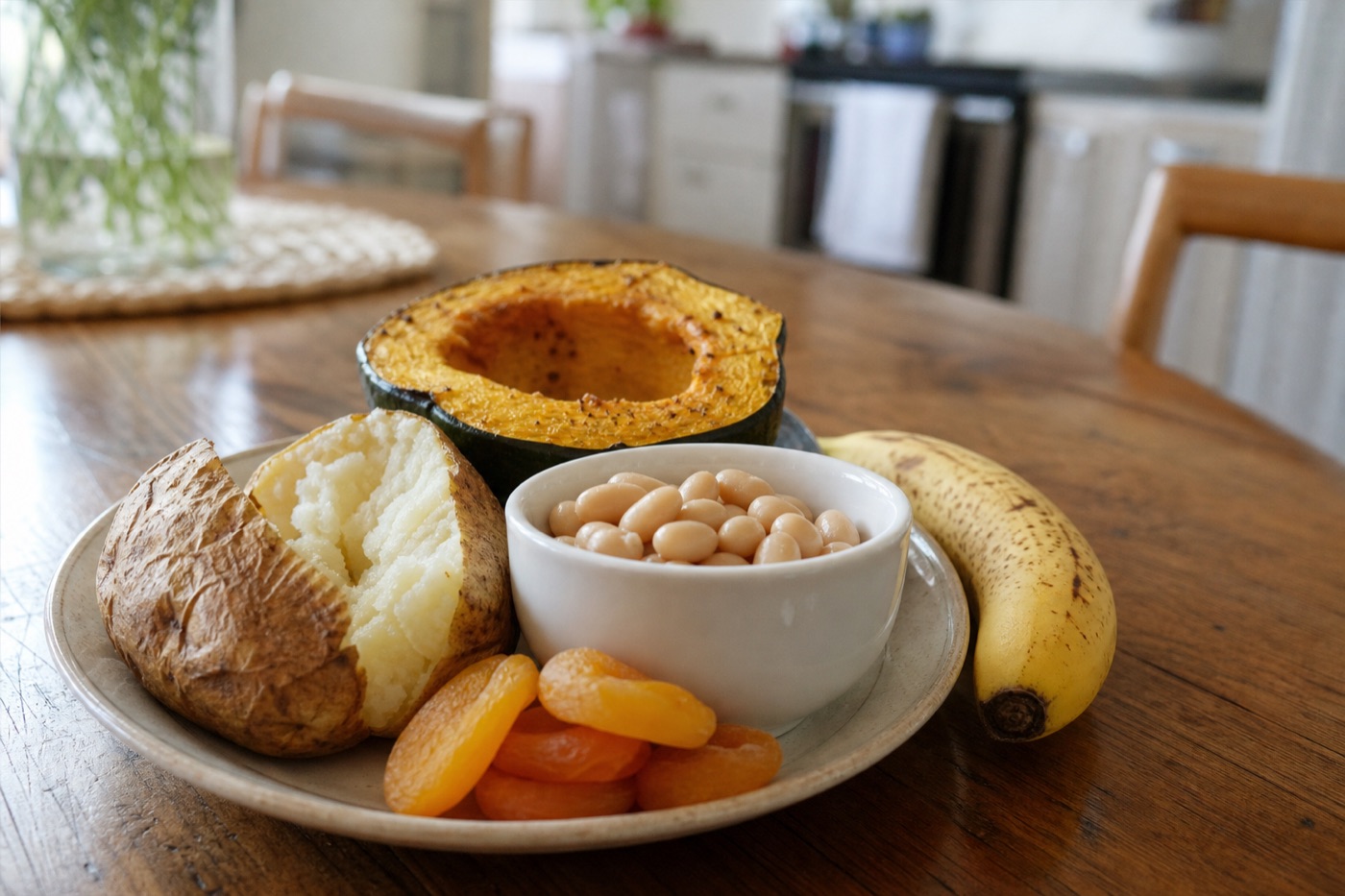
Nonheme iron is found in plant foods like beans, lentils, nuts, seeds and leafy greens, and it’s the form added to fortified cereals and enriched breads. Meat and fish contain some nonheme iron too. It’s absorbed less efficiently, but what you eat alongside it can make a real difference.
Iron in everyday foods
Approximate values based on NIH and USDA FoodData Central data. Fortified products vary, so check the label.
| Food | Portion | Approximate iron |
|---|---|---|
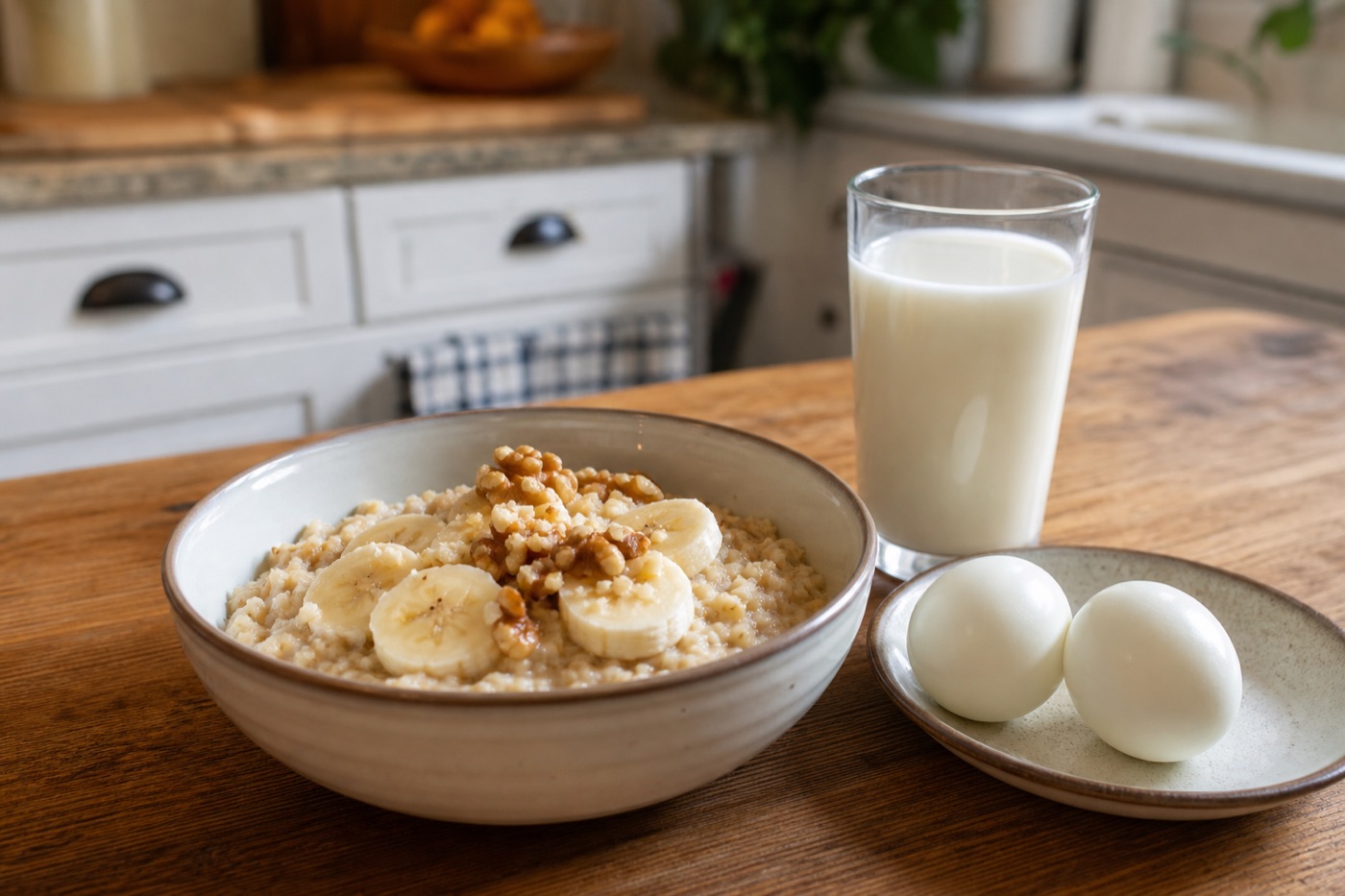
| Breakfast cereal fortified to 100% DV | 1 serving | 18 mg |
| Oysters, cooked | 3 oz | about 8 mg |
| White beans, canned | 1 cup | about 8 mg |
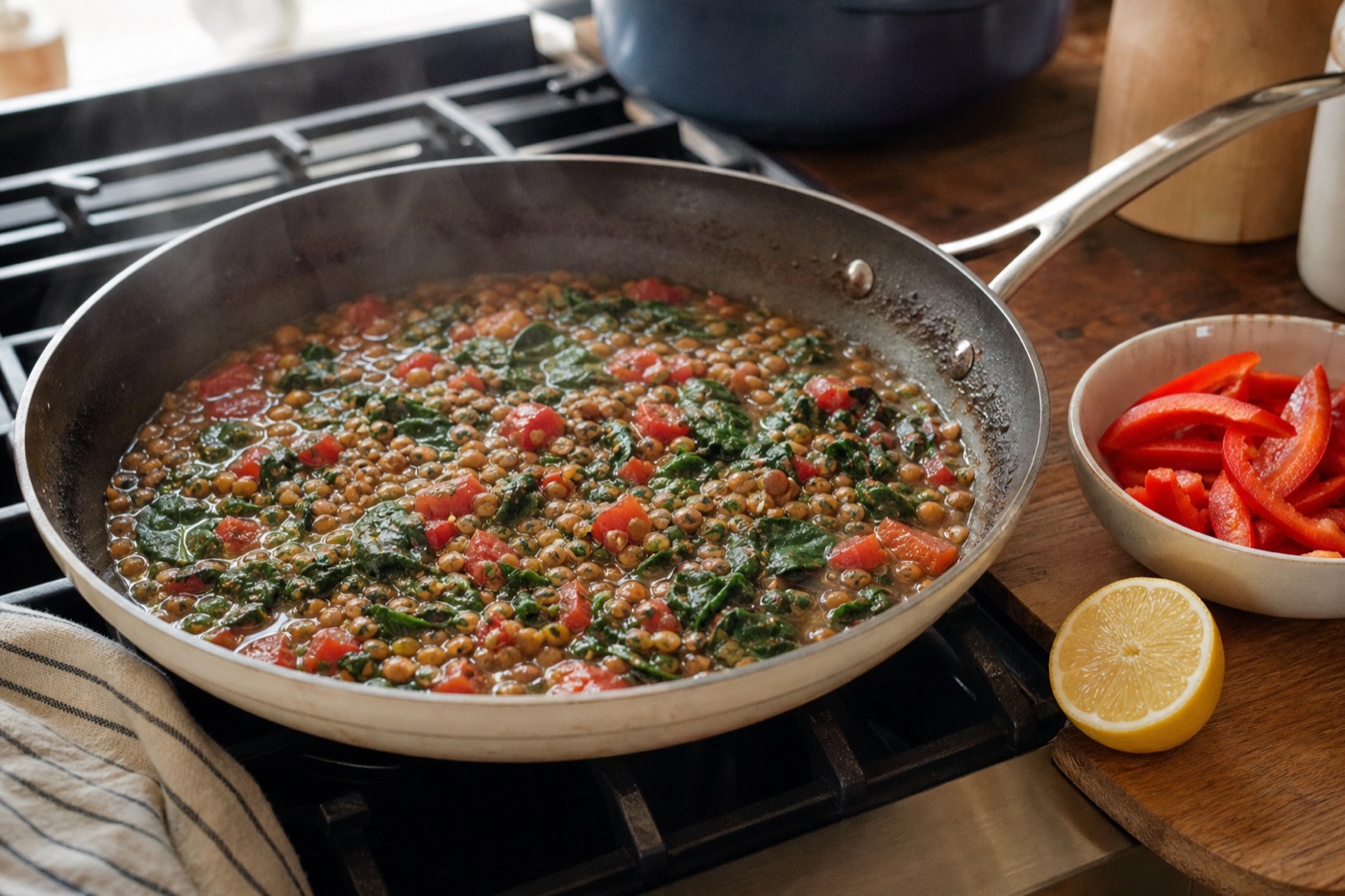
| Lentils, cooked | ½ cup | about 3 mg |
| Spinach, cooked | ½ cup | about 3 mg |
| Firm tofu | ½ cup | about 3 mg |
| Beef, cooked | 3 oz | about 2–3 mg |
| Kidney beans or chickpeas, cooked | ½ cup | about 2 mg |
| Sardines, canned | 3 oz | about 2 mg |
| Baked potato | 1 medium | about 2 mg |
| Cashews | 1 oz | about 2 mg |
| Chicken, roasted | 3 oz | about 1 mg |
Spinach looks impressive on paper, but it also contains oxalates, compounds that hold on to much of its iron, so you absorb less than the number suggests.
Pair it up for better absorption
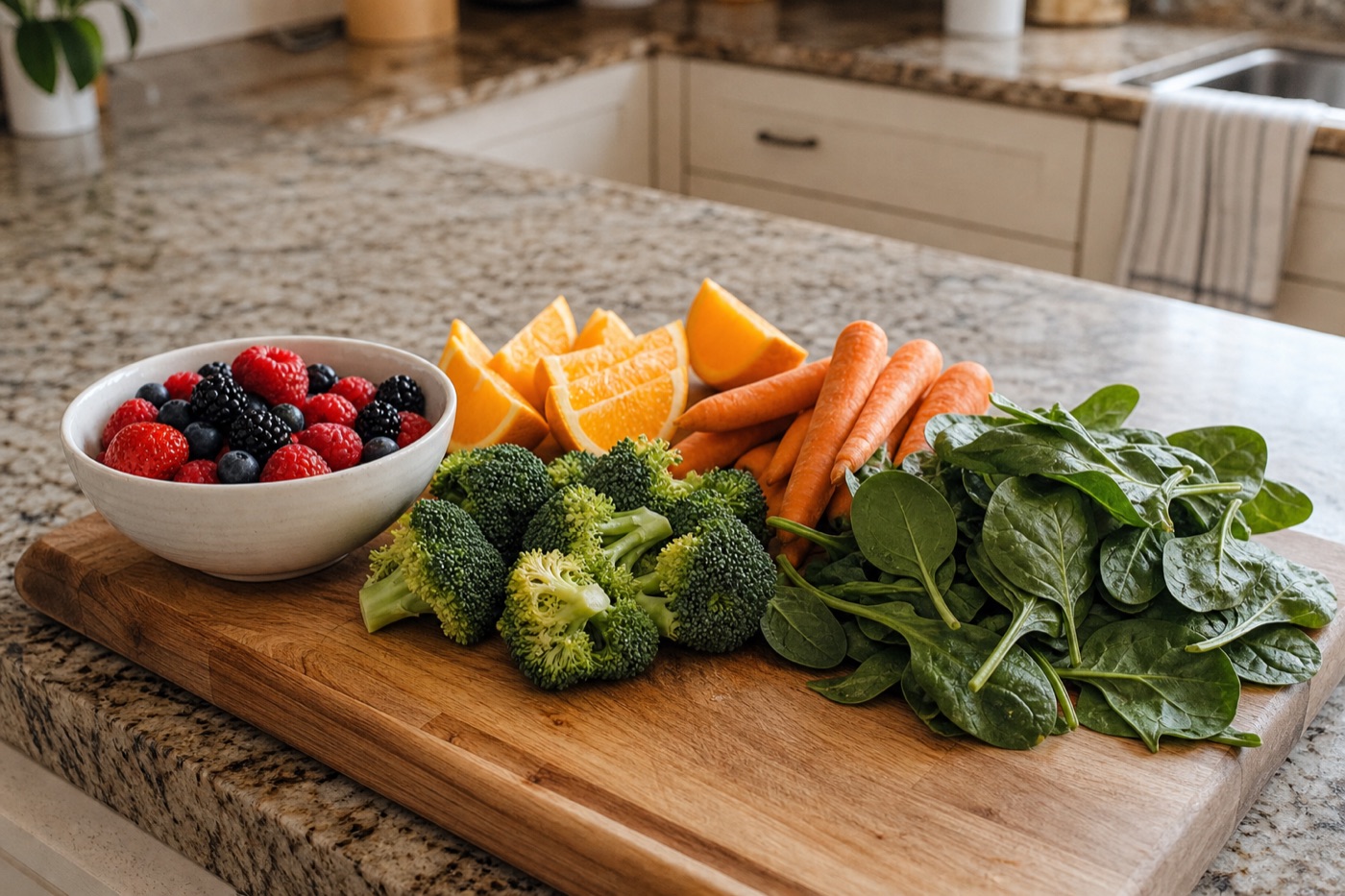
Vitamin C, and eating meat, poultry or seafood in the same meal, both help your body take in nonheme iron. Some combinations that do this naturally:
- Black bean chili with tomatoes and bell peppers
- Fortified cereal topped with strawberries or orange segments
- Lentil salad with a lemon dressing and diced red pepper
- Tofu stir-fry with broccoli and snap peas
- Spinach salad with orange slices and a few toasted almonds
- Bean and rice burritos with fresh salsa
- Beef and vegetable stew with potatoes and tomatoes
For more bean ideas, see our beginner’s guide to beans and lentils. If you eat little or no meat, our guide to plant protein foods covers many of the same iron-rich staples.
What can get in the way
- Tea and coffee. Compounds called polyphenols reduce nonheme iron absorption. Try having your coffee or tea between meals rather than with your most iron-rich one.
- Calcium. Calcium, whether from supplements or a large serving of dairy, can compete with iron when taken together. If you use a calcium supplement, ask your doctor about timing.
- Phytates. Found in whole grains and beans, they bind some iron. Soaking, sprouting and fermenting reduce them, and these foods are still worth eating for everything else they offer.
Who is more likely to run low
People at higher risk of iron deficiency include pregnant women, infants and young children, teen girls and women with heavy periods, frequent blood donors, and people with digestive conditions that affect absorption, such as celiac disease. Common signs of iron-deficiency anemia include tiredness, weakness, pale skin, shortness of breath, cold hands and feet, and trouble concentrating. These symptoms overlap with many other conditions, so a blood test is the only way to know.
A word on supplements
Iron pills can help people who are truly deficient, but they’re not something to start on your own. Too much iron can cause constipation, nausea and stomach pain, and some people have an inherited condition called hemochromatosis that causes iron to build up in the body. Keep any iron supplements locked away from children, since an accidental overdose can be very dangerous for them. If you suspect you’re low, your doctor can test your levels and tell you whether you need more than food can provide.
Small pairings, steady gains
Build meals around a few reliable iron sources, add a vitamin C food to the plate, and move coffee or tea away from your iron-rich meals. Those simple habits do more over time than chasing any single “superfood.”
Common questions
Can vegetarians get enough iron?
Yes, with some planning. Beans, lentils, tofu, fortified cereals, seeds and leafy greens all supply iron, and pairing them with vitamin C foods improves absorption. NIH notes that vegetarians may need nearly twice as much iron as meat eaters because plant iron is absorbed less efficiently.
Should I drink orange juice with iron-rich meals?
It can help, because vitamin C boosts absorption of the iron in plant foods. Whole oranges, strawberries, peppers, tomatoes and broccoli do the same job with more fiber, so juice isn't required.
How do I know if I'm low in iron?
Only a blood test can say for sure. Tiredness and pale skin have many possible causes, so talk with a doctor before starting iron pills; taking them when you don't need them can cause harm.
Sources
Ruth covers nutrition through life stages and everyday health, from feeding school-age kids to eating well after sixty.