How to Get Enough Vitamin D
Most people need 600 IU (15 mcg) of vitamin D daily, or 800 IU after age 70. See the best food sources, how sunlight fits in and when to ask about a supplement.
On this page
Most people ages 1 to 70 need 600 IU (15 micrograms) of vitamin D a day, and adults over 70 need 800 IU (20 micrograms), according to the NIH Office of Dietary Supplements. Few foods are naturally rich in it, so most Americans rely on a mix of fortified foods such as milk, a few natural sources like fatty fish and eggs, and some sunlight. If you’re worried you’re low, a blood test can tell you where you stand.
Why vitamin D matters
Vitamin D helps your body absorb calcium, which makes it essential for building and keeping strong bones. It also plays roles in muscle movement, nerve signaling and the immune system. A long-term shortage can lead to soft, weak bones: rickets in children and osteomalacia in adults. The Dietary Guidelines have listed vitamin D as a nutrient of public health concern because so many Americans fall short through food alone.
How much you need
| Age or stage | Recommended daily amount |
|---|---|
| Birth to 12 months | 400 IU (10 mcg) |
| 1–70 years | 600 IU (15 mcg) |
| 71 years and older | 800 IU (20 mcg) |
| Pregnant or breastfeeding | 600 IU (15 mcg) |
These amounts assume minimal sun exposure, which makes them a safe target year-round.
Where to find it in food
Approximate values, based on NIH and USDA FoodData Central figures. Fortified foods vary by product, so check the Nutrition Facts label.
| Food | Portion | Approximate vitamin D |
|---|---|---|
| Rainbow trout, farmed, cooked | 3 oz | about 645 IU |
| Sockeye salmon, cooked | 3 oz | about 570 IU |
| Mushrooms treated with UV light | ½ cup | varies widely, often several hundred IU |
| Milk, fortified | 1 cup | about 100–120 IU |
| Soy, almond or oat beverage, fortified | 1 cup | about 100–145 IU |
| Breakfast cereal, fortified | 1 serving | often about 10% of the Daily Value |
| Sardines, canned | 2 fish | about 45 IU |
| Egg | 1 large | about 45 IU, all in the yolk |
| Light tuna, canned | 3 oz | about 40 IU |
Notice the gap between fatty fish and everything else. On days without trout or salmon, reaching 600 IU from food alone is hard, which is why fortified milk, plant beverages and cereals matter so much in the American diet.
Where sunlight fits in
Your skin makes vitamin D when it’s exposed to the sun’s UVB rays. How much you make depends on the season, the time of day, your latitude, cloud cover and smog, your skin pigmentation, your age and whether you’re wearing sunscreen. In much of the northern U.S., the winter sun is too weak for the skin to make much vitamin D for several months of the year.
Because ultraviolet exposure is a major cause of skin cancer, health agencies don’t recommend tanning or a specific “dose” of sun to make vitamin D. Brief, everyday time outdoors is part of life; relying on food and supplements is the safer plan for meeting your needs.
Who is more likely to run low
NIH lists several groups at higher risk:
- Breastfed infants. Breast milk is low in vitamin D, so the American Academy of Pediatrics recommends a daily supplement of 400 IU for breastfed and partially breastfed babies, starting soon after birth. Your pediatrician can guide you.
- Older adults, whose skin makes vitamin D less efficiently.
- People who get little sun, such as those who are homebound or cover most of their skin.
- People with darker skin, since more melanin reduces vitamin D production from sunlight.
- People with conditions that limit fat absorption, such as Crohn’s disease, celiac disease or cystic fibrosis.
- People with obesity or who have had gastric bypass surgery.
Building vitamin D into your week
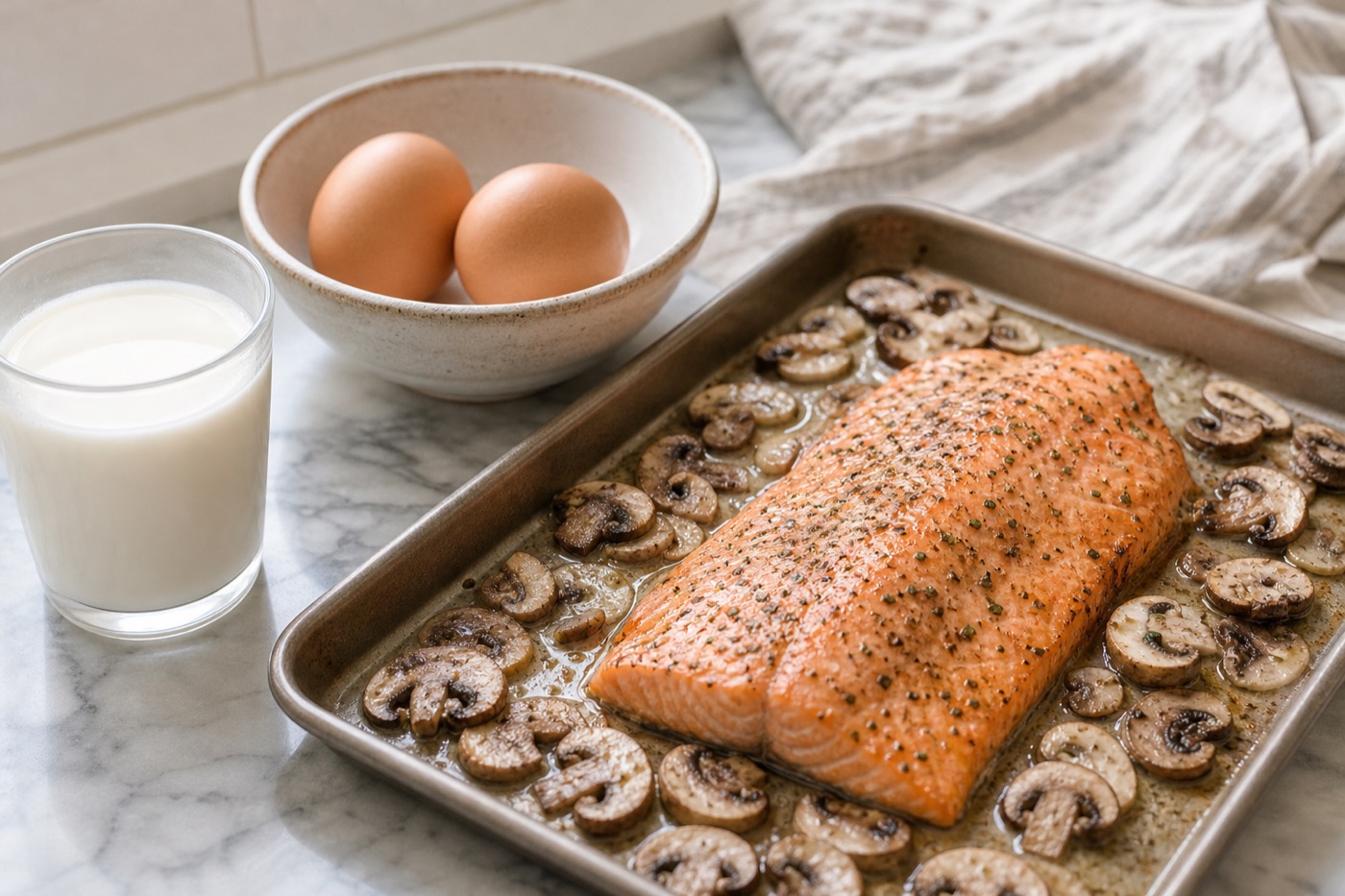
- Have fatty fish such as salmon, trout or sardines once or twice a week. Our fish and seafood guide explains which kinds are lowest in mercury.
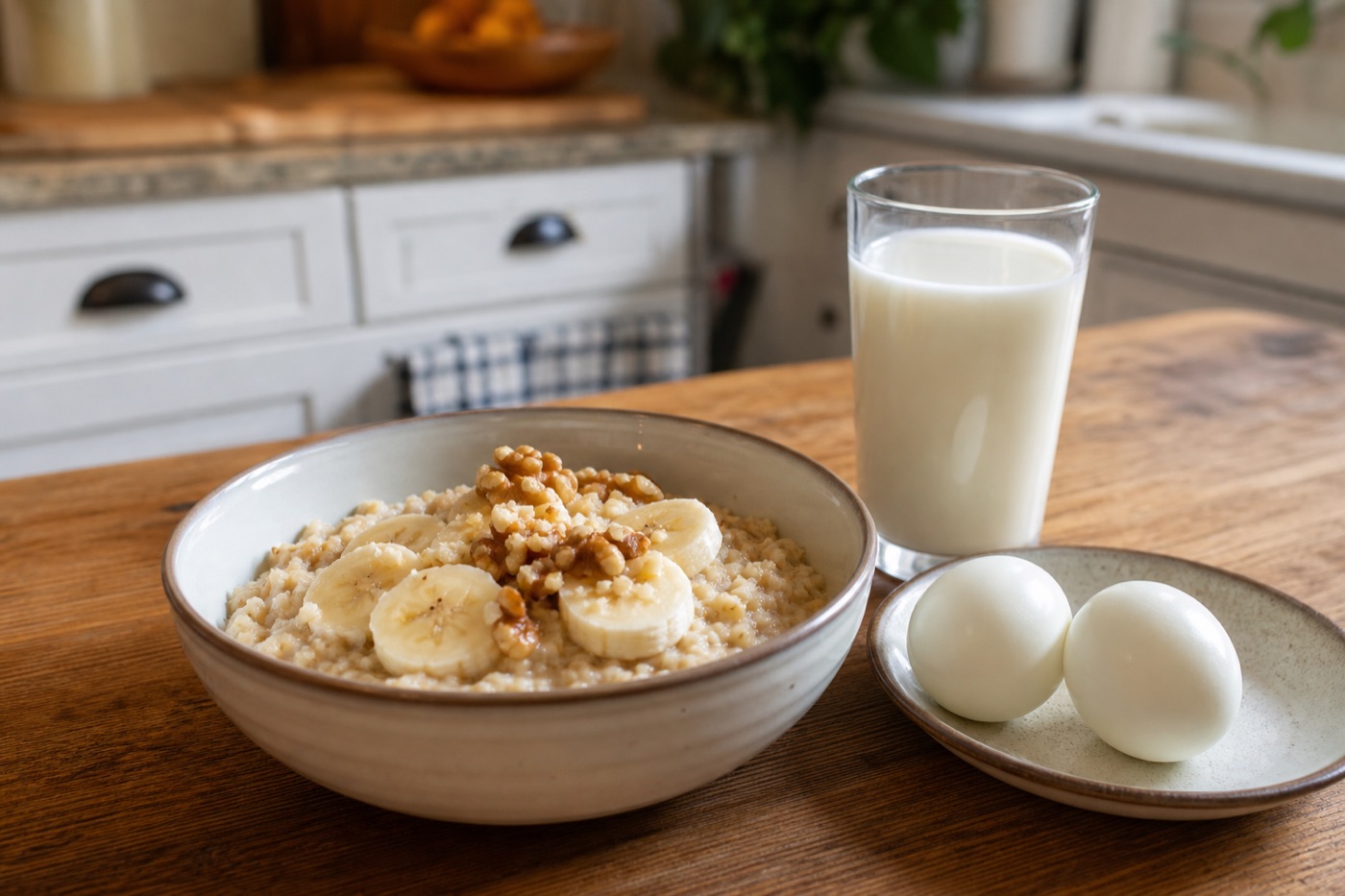
- Use fortified milk or a fortified plant beverage in coffee, oatmeal or smoothies.
- Look for UV-treated mushrooms in the produce section and add them to stir-fries, omelets and pasta.
- Keep eggs on hand for quick breakfasts and lunches.
- Compare cereal labels for vitamin D if you eat cereal regularly.
Vitamin D and calcium work as a team, so it’s worth reading our guide to getting enough calcium alongside this one.
Supplements: ask first
Vitamin D supplements come as D2 and D3, alone or combined with calcium. More is not better: NIH sets the upper limit for adults and children 9 and older at 4,000 IU (100 mcg) a day, and very high intakes can raise blood calcium to harmful levels. Vitamin D can also interact with some medications. If you think you might be low, ask your doctor whether a blood test makes sense and what amount, if any, is right for you.
Putting it together
Plan on fatty fish a couple of times a week, lean on fortified foods the rest of the time, and enjoy the outdoors without counting on it for your vitamin D. If you fall into a higher-risk group, bring it up at your next checkup.
Common questions
Can I get enough vitamin D from the sun alone?
Some people make a good share of what they need from sunlight, but it depends on where you live, the season, your skin tone and how much skin is exposed. Because UV exposure raises skin cancer risk, it's safer to count on food and, if your doctor advises it, a supplement.
Is vitamin D2 or D3 better?
Both raise vitamin D levels in the blood. NIH's Office of Dietary Supplements notes that D3 may raise levels higher and keep them up longer than D2. A doctor or pharmacist can help you choose if you need a supplement.
What does IU mean on a vitamin D label?
IU stands for International Units. Nutrition Facts labels now list vitamin D in micrograms (mcg), and 1 mcg equals 40 IU, so 15 mcg is the same as 600 IU.
Sources
Elliot writes about foods, labels and the grocery store, from choosing a cereal to stretching a budget without giving up vegetables.